There is a specific, strange madness that descends upon us every December. We voluntarily subject ourselves to the same stories, the same jokes, and the same emotional beats we’ve seen fifty times before. If a friend tried to tell you the same anecdote every day for a month, you’d block their number. But when Kevin McCallister slaps his cheeks and screams for the thousandth time? We lean in. We pour the cocoa. We are home.
Why do some holiday films wither away like a week-old poinsettia while others become “evergreens”? It’s not just about the snow or the Santa cameos. It’s about a chemical cocktail of nostalgia, technical brilliance, and—let’s be honest—a desperate need for predictability in an unpredictable world.
Why These Are the Best Christmas Movies of All Time
In this exhaustive guide, we’re breaking down the Top 10 Christmas Movies That Never Get Old. These aren’t just “seasonal hits”; they are cinematic load-bearers. We’ll look at the box office receipts, the behind-the-scenes drama, and the weird psychological reasons why your brain gets a serotonin boost every time the Griswolds’ lights finally flicker to life.
The Science of the “Rewatch”: Why Our Brains Crave Holiday Classics
Before we get to the list, let’s address the elephant in the room: Why do we do this to ourselves?
According to modern psychological research, re-watching familiar movies is a form of emotional self-regulation. During the holidays—a time famously fraught with travel stress, family politics, and financial pressure—our brains seek out “safe spaces.”
- Predictability equals Comfort: When you know exactly how Elf ends, your nervous system can relax. You aren’t processing new threats; you’re luxuriating in a known outcome.
- The “Memory Layering” Effect: You aren’t just watching a movie; you’re watching the version of yourself that watched it ten years ago. It’s an emotional time machine.
1. It’s a Wonderful Life (1946)
The Vibe: Existential dread meets ultimate redemption.
If you had told director Frank Capra in 1946 that his film would eventually be the definitive Christmas classic, he probably would have laughed—or cried. Upon its release, It’s a Wonderful Life was a box office disappointment. It wasn’t until a clerical error in the 1970s allowed its copyright to lapse, putting it into the public domain, that TV stations began airing it on a loop because it was free.
Why It Never Gets Old
Most Christmas movies are about getting what you want. This movie is about losing everything you thought you wanted and realizing you already had everything you needed. It is surprisingly dark. George Bailey (Jimmy Stewart) isn’t just “sad”; he’s standing on a bridge, contemplating the end.
But that darkness is what makes the light so bright. Jimmy Stewart, having just returned from flying combat missions in WWII, brought a raw, jittery energy to the role that feels incredibly modern. When he finally runs through the snow yelling “Merry Christmas, Movie House!” it’s not just a happy ending—it’s a primal scream of gratitude.
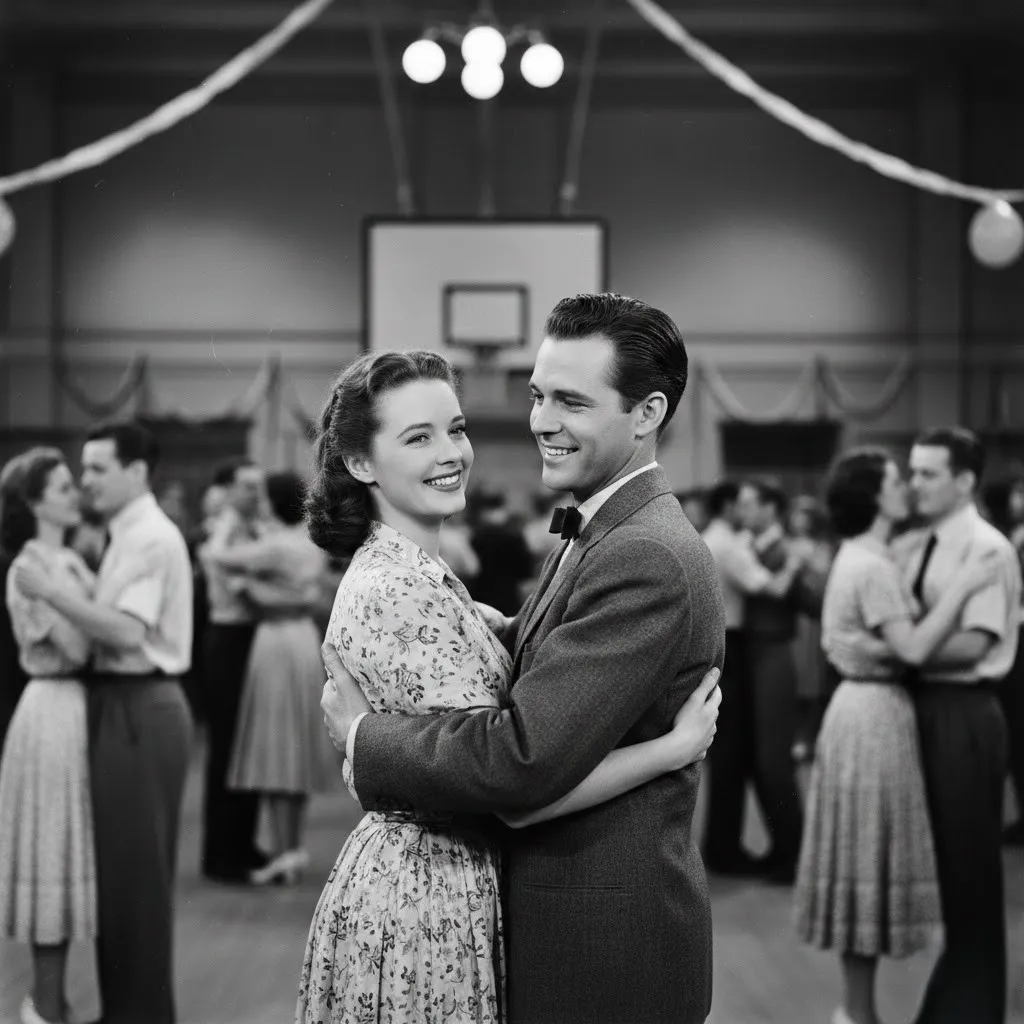
Pro-Tip for Film Buffs: Watch for the “living” snow. Before this movie, “movie snow” was often painted cornflakes (which were too loud to walk on). Capra’s crew invented a new chemical foam that was silent, allowing them to record the dialogue live.
2. Die Hard (1988)
The Vibe: The ultimate “Blue-Collar Hero” vs. “European Sophistication.”
The debate is over. The Director has spoken, the scriptwriter has confirmed it, and the data backs it up: Die Hard is a Christmas movie. But why is it one we watch every year?
The Nakatomi Nuance
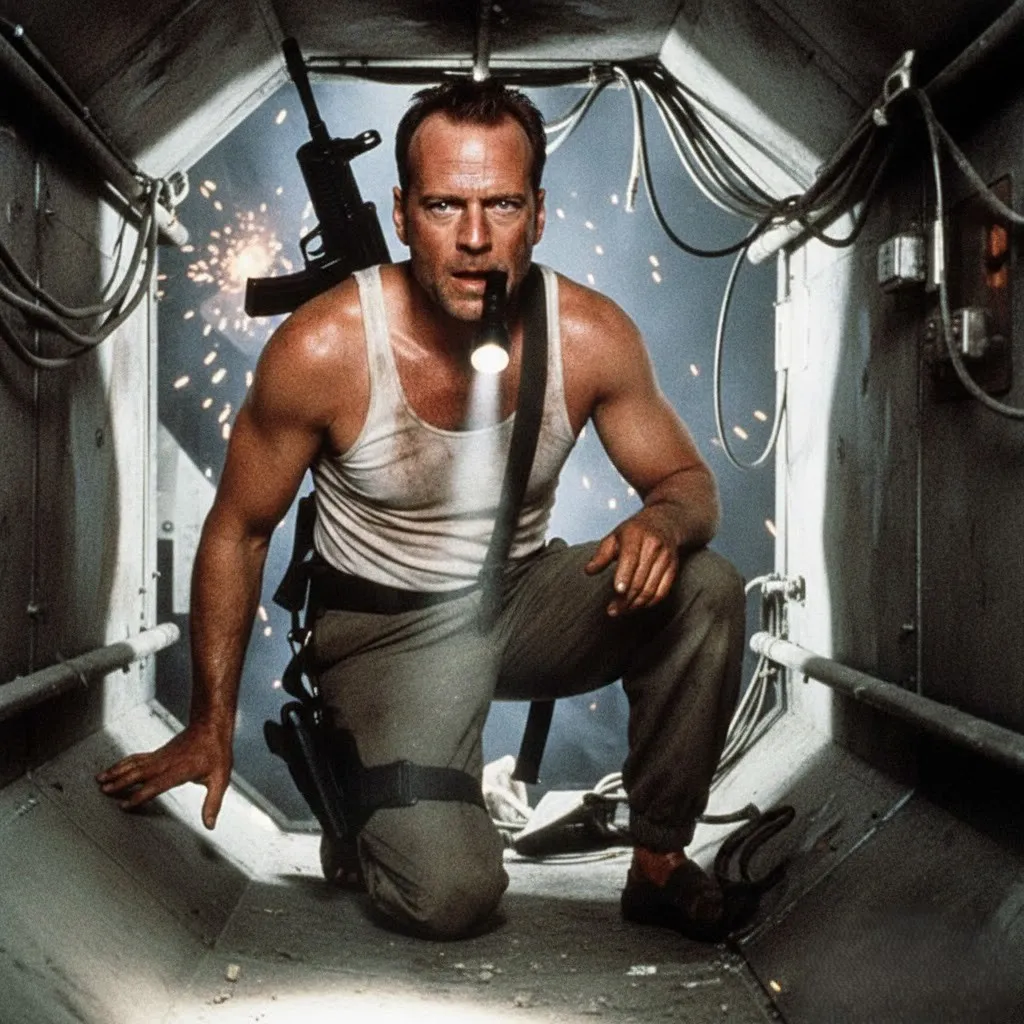
Unlike the shiny, plastic action heroes of the 80s (sorry, Arnold), Bruce Willis’s John McClane is an “Everyman.” He’s a guy whose marriage is failing, whose feet are bleeding, and who really just wants to go home.
The film follows the classic “Scrooge” arc, albeit with more C4 explosives. McClane starts as a cynical, isolated man and, through a series of (violent) trials, learns the value of his family. Plus, Alan Rickman’s Hans Gruber is arguably the greatest “Grinch” in cinema history. He’s the anti-Santa: he comes down from the roof, he has a list, and he’s definitely “naughty.”
| Theme | Die Hard Alignment |
| Setting | Christmas Eve at a holiday party. |
| Soundtrack | “Let It Snow,” “Christmas in Hollis,” “Ode to Joy.” |
| Central Goal | A man trying to get home to his family. |
| Miracle | The “Ho-Ho-Ho” sweater (and surviving a 30-story drop). |
3. Home Alone (1990)
The Vibe: Looney Tunes violence wrapped in a warm, John Williams-scored blanket.
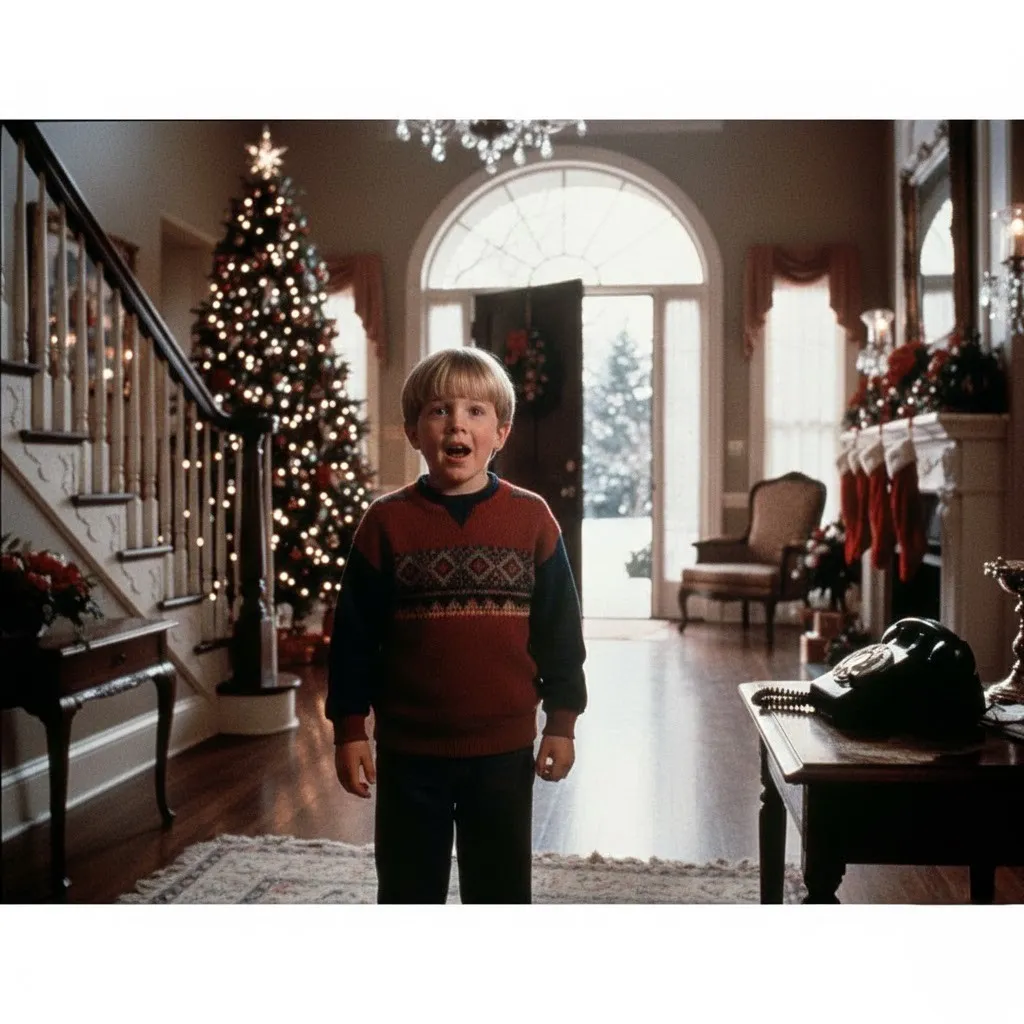
When Home Alone hit theaters in November 1990, it didn’t just succeed—it dominated. It held the #1 spot at the box office for 12 consecutive weeks. It was so successful that it created a new Hollywood verb: to be “Home Aloned,” meaning your movie’s box office was crushed by the inexplicable staying power of a 10-year-old in a big house.
The Magic of John Hughes and Chris Columbus
On the surface, it’s a slapstick comedy about bumbling burglars (Joe Pesci and Daniel Stern are comedic gold here). But the reason it never gets old is the John Hughes soul. Underneath the blowtorches and micro-machines, it’s a story about the fear of abandonment and the beauty of independence.
The score by John Williams is the secret weapon. It sounds like a lost Tchaikovsky ballet. It gives the film a prestige and a “timelessness” that elevates it far above the standard 90s kid-flick.
Authority Insight: According to Box Office Mojo, adjusted for inflation, Home Alone has earned over $1 billion in today’s money. That’s a lot of cheese pizzas.
Why Is Netflix “Removing” Christian Movies? The Truth Behind the Rumor
4. The Muppet Christmas Carol (1992)
The Vibe: The most faithful (and felt-filled) adaptation of Dickens ever made.
There are dozens of versions of A Christmas Carol, but none of them—not even the ones with Patrick Stewart or George C. Scott—capture the “spirit” of the book quite like the Muppets.
Why It’s Art, Not Just Puppetry
The genius of this film lies in Michael Caine. He made a deliberate choice to play Ebenezer Scrooge as if he were acting opposite the Royal Shakespeare Company, not a bunch of frogs and pigs. He never winks at the camera. He never plays “to the puppets.”
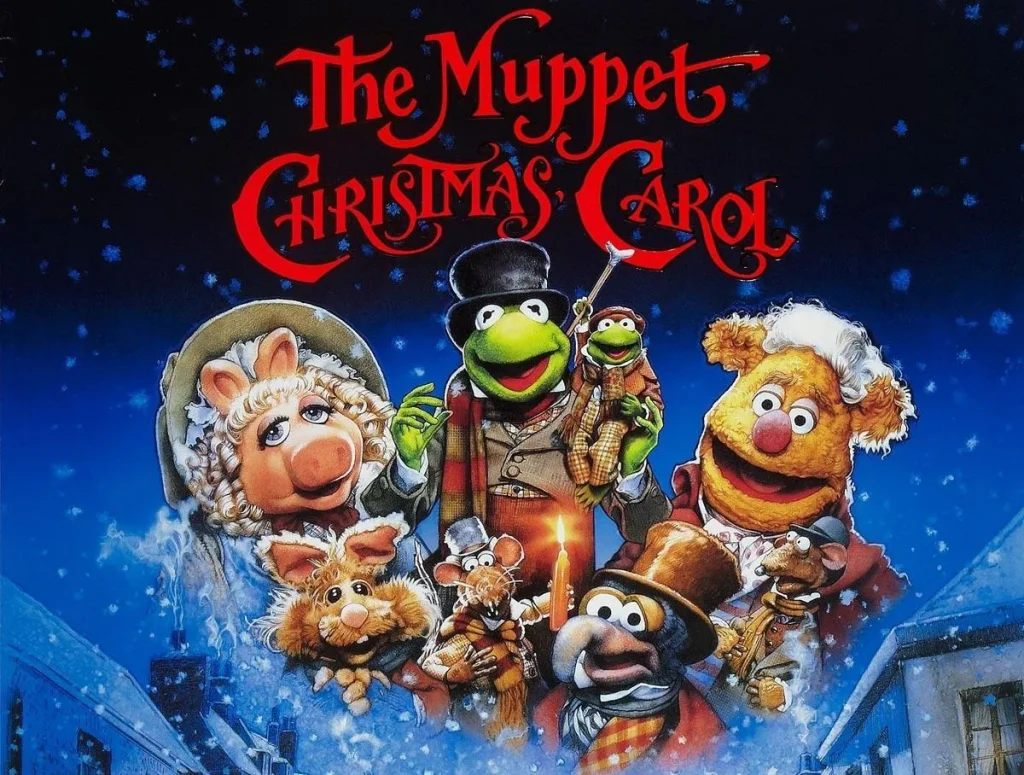
Because Caine plays it straight, the emotional stakes feel real. When the Ghost of Christmas Yet to Come (the big, silent, terrifying one) appears, you actually feel Scrooge’s terror. It manages to be a genuinely funny Muppet movie while also being a somber, faithful retelling of Victorian social commentary.
Did You Know? This was the first major Muppet project after the passing of Jim Henson. It was directed by his son, Brian Henson, and was seen as a “make or break” moment for the Muppet legacy. Needless to say, they nailed it.
5. Elf (2003)
The Vibe: Pure, unadulterated “Maple Syrup” joy.
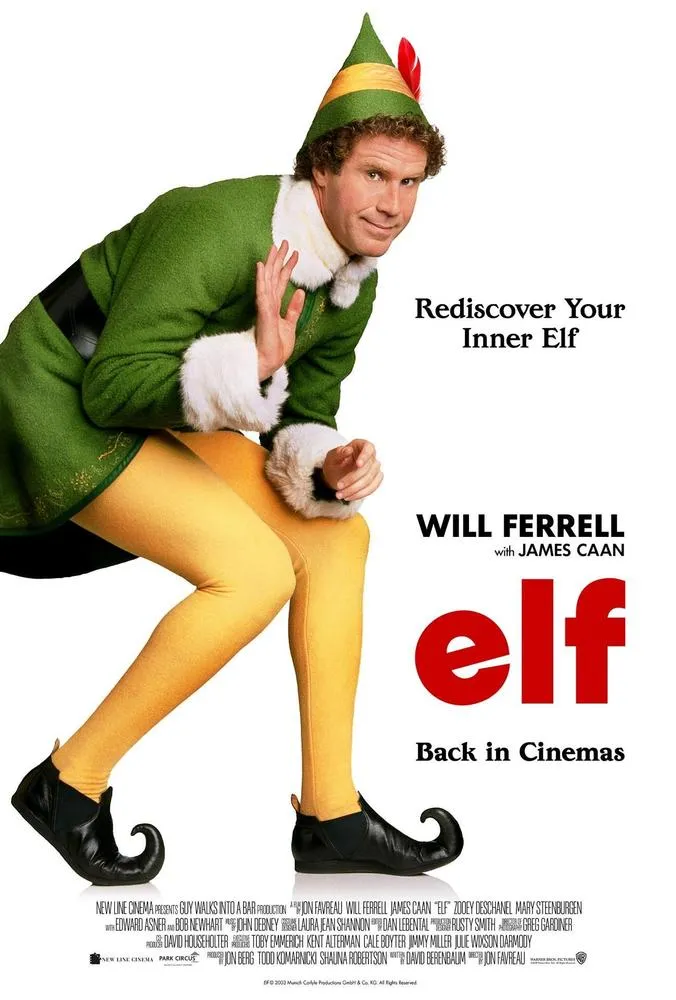
Elf is the newest film on the “Never Gets Old” Mt. Rushmore. In just twenty years, it has moved from a “fun Will Ferrell comedy” to a mandatory annual viewing.
The “Fish Out of Water” Perfection
Will Ferrell’s performance as Buddy the Elf is a tightrope walk. If he were 10% more annoying, the movie would be unwatchable. If he were 10% less committed, it would be boring. Instead, he hits a frequency of aggressive innocence that is infectious.
The film works because it balances Buddy’s sugary optimism with James Caan’s world-weary cynicism. It’s the ultimate “Dad and Son” movie disguised as a Christmas fantasy. Plus, the production design—using forced perspective instead of CGI to make Buddy look huge—gives it a tactile, classic feel that will never look “dated.”
Comparison: The “Vibe Check” for Your Marathon
If you’re planning a viewing, use this table to match the movie to your mood:
| Movie | Best For… | Mandatory Snack |
| It’s a Wonderful Life | When you need a good cry and a perspective shift. | Mulled wine and a sturdy tissue box. |
| Home Alone | Nostalgia with the kids (or when you’re feeling “feisty”). | A “lovely cheese pizza” just for you. |
| Die Hard | When you’re tired of “sappy” movies but want the spirit. | Twinkies (the Sgt. Powell special). |
| Elf | Low-stress, high-laughter family nights. | Spaghetti with pop-tarts and syrup. |
| Muppet Christmas Carol | Fans of musicals and literal literature. | An oversized Christmas goose. |
6. A Christmas Story (1983)
Directed by: Bob Clark
The Role: Ralphie Parker (Peter Billingsley)
If there is a movie that perfectly captures the hyper-specific anxiety of being a child during the holidays, it’s A Christmas Story. It’s not about grand adventures; it’s about the crushing weight of wanting one specific thing—a Red Ryder Carbine Action 200-shot Range Model air rifle—and the terrifying adults who stand in your way.
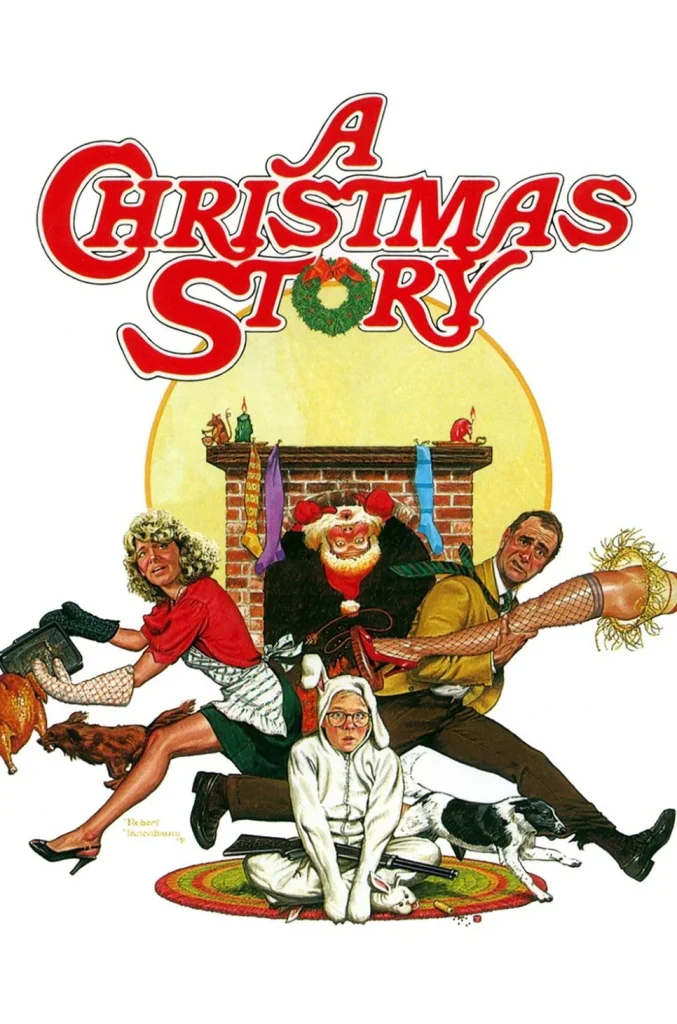
The Narrator’s Secret Sauce
What makes this film stand the test of time isn’t just the “leg lamp” or the frozen tongue on the flagpole. It’s the narration by Jean Shepherd. He provides a voice for the internal monologue we all had at age nine: that mixture of poetic grandiosity and sheer, panicked desperation.
According to Fandango’s historical archives, the movie was actually a sleeper hit. It didn’t become a “juggernaut” until the 24-hour marathons began on TNT and TBS. It’s a movie made of “vignettes”—the department store Santa, the flat tire, the “pink nightmare” bunny suit—that feel like actual memories rather than scripted scenes.
Authority Tip: Director Bob Clark also directed the legendary horror film Black Christmas (1974). His ability to balance the “dark” with the “warm” is why the movie feels real. It acknowledges that Christmas can be loud, messy, and occasionally involves your father swearing at a furnace in “profane tapestries.”
7. National Lampoon’s Christmas Vacation (1989)
Directed by: Jeremiah S. Chechik
The Role: Clark Griswold (Chevy Chase)
Christmas Vacation is the “Saint” of holiday comedies. It is the movie that gave us permission to admit that family gatherings are often a nightmare of high expectations and low delivery.
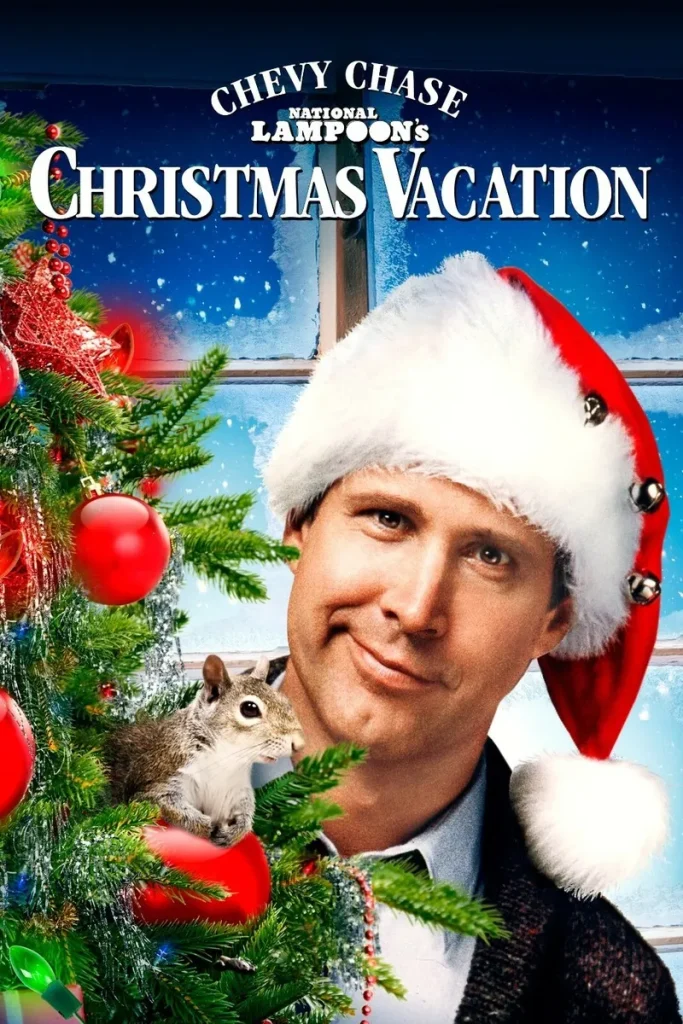
The Physicality of Chevy Chase
Chevy Chase’s performance as Clark Griswold is a masterclass in “the slow snap.” We watch a man try so hard to have a “good old-fashioned family Christmas” that he eventually loses his mind. The scene where he finally snaps and delivers the “Hallelujah! Holy sh*t!” rant is legendary.
AFI Movie Club notes that much of the film’s relatability comes from the “Cousin Eddie” factor. Every family has one—the uninvited relative who shows up in a bathrobe with a septic tank hose. Randy Quaid’s performance turned a caricature into an icon of holiday chaos.
Behind the Scenes:
- The Injury: During the scene where Clark attacks the plastic lawn ornaments, Chevy Chase actually broke his pinky finger. If you watch closely, you can see him stop punching and start kicking because he’s in real pain.
- The John Hughes Touch: The script was written by John Hughes, the king of 80s relatability. He based it on a short story he wrote for National Lampoon called “Christmas ’59.”
8. The Nightmare Before Christmas (1993)
Produced by: Tim Burton | Directed by: Henry Selick
The Role: Jack Skellington (Chris Sarandon/Danny Elfman)
Is it a Halloween movie? Is it a Christmas movie? Yes. It is the ultimate holiday hybrid that managed to unite goths and grandmas in a shared love for stop-motion skeletal protagonists.
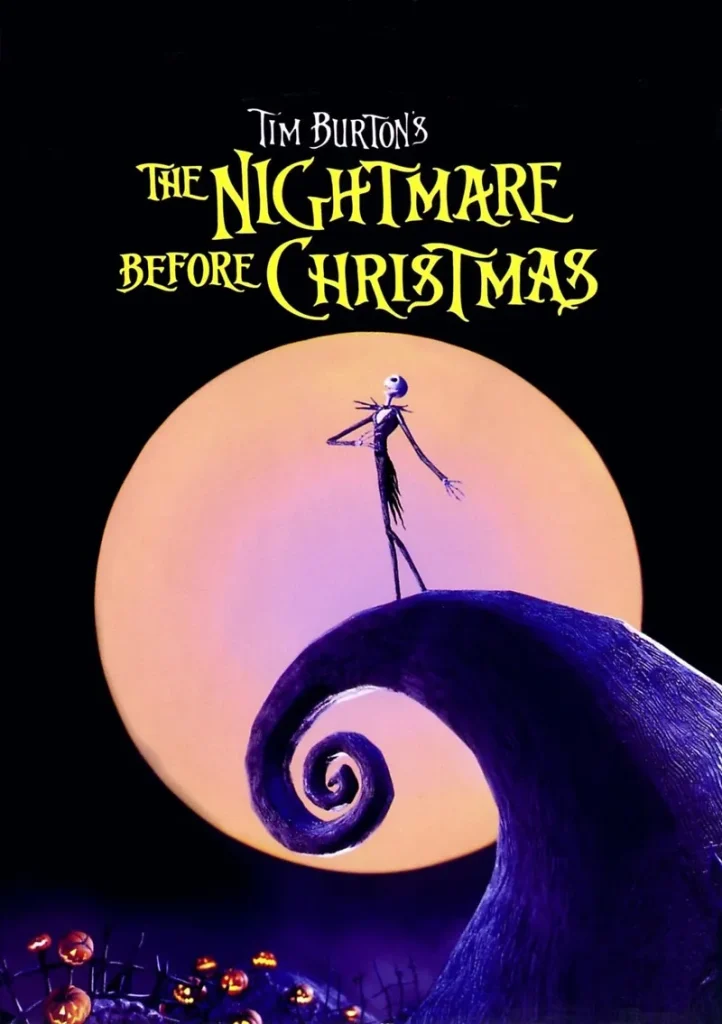
The 109,440 Frame Labor of Love
This film is a technical marvel. Every second of footage required 24 individual photographs. According to the Hamline Oracle, the production took over three years, with a crew of 120 people using 20 different sound stages simultaneously. Jack Skellington alone had over 400 interchangeable heads to capture every possible facial expression.
The Danny Elfman Factor:
The music isn’t just “background”—it’s the narrative engine. Danny Elfman wrote the songs before there was even a finished script. He famously said he “identified with Jack” because he, too, felt like a man who was great at one thing but desperately wanted to be understood for something else.
9. Love Actually (2003)
Directed by: Richard Curtis
The Ensemble: Hugh Grant, Emma Thompson, Alan Rickman, Bill Nighy…
Love Actually is a polarizing film. Some find it overly sentimental; others find it essential. But there is no denying its status as a “modern classic.” It successfully weaves together ten different stories, proving that “love actually is all around.”
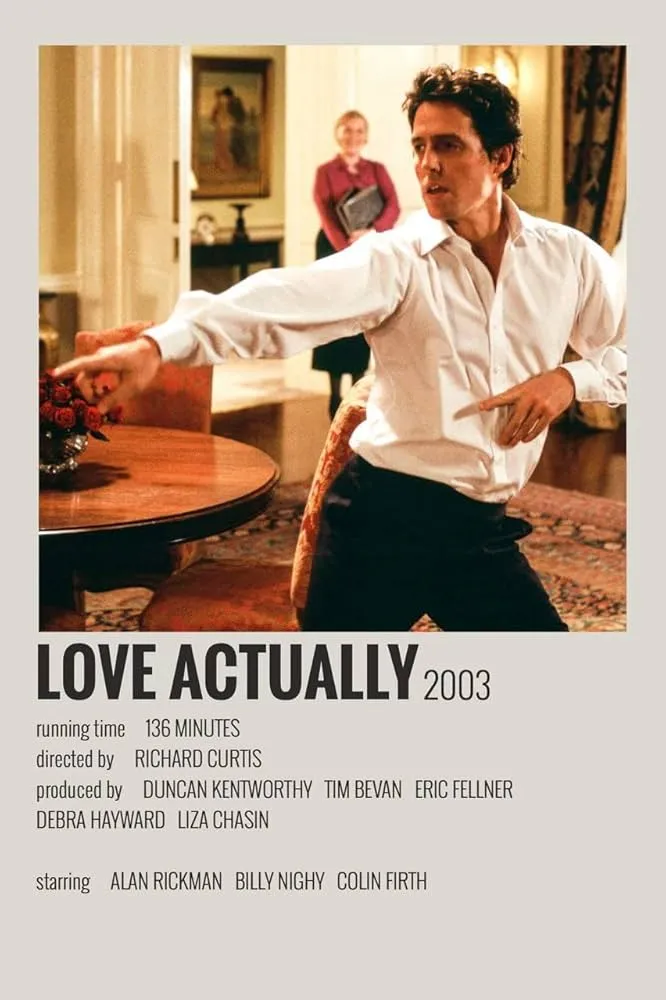
The Power of the Ensemble
The movie works because it handles different “flavors” of love. You have the “sweet” (the school pageant), the “painful” (Emma Thompson discovering the necklace), and the “ridiculous” (Bill Nighy as a fading rock star).
The New York Times recently revisited the film’s 20-year legacy, noting that its “airport reunion” opening—which used real-life footage of families reuniting at Heathrow—remains one of the most powerful representations of human connection ever filmed.
The Iconic Moment: Andrew Lincoln’s cue-card confession. Whether you think it’s romantic or creepy, it has been parodied by everyone from Saturday Night Live to political campaigns. It is a permanent fixture of the pop-culture lexicon.
10. How the Grinch Stole Christmas (2000)
Directed by: Ron Howard
The Role: The Grinch (Jim Carrey)
While the 1966 animated special is a masterpiece of brevity, the 2000 live-action version has become a “rewatchable” giant due to the sheer, unhinged energy of Jim Carrey.
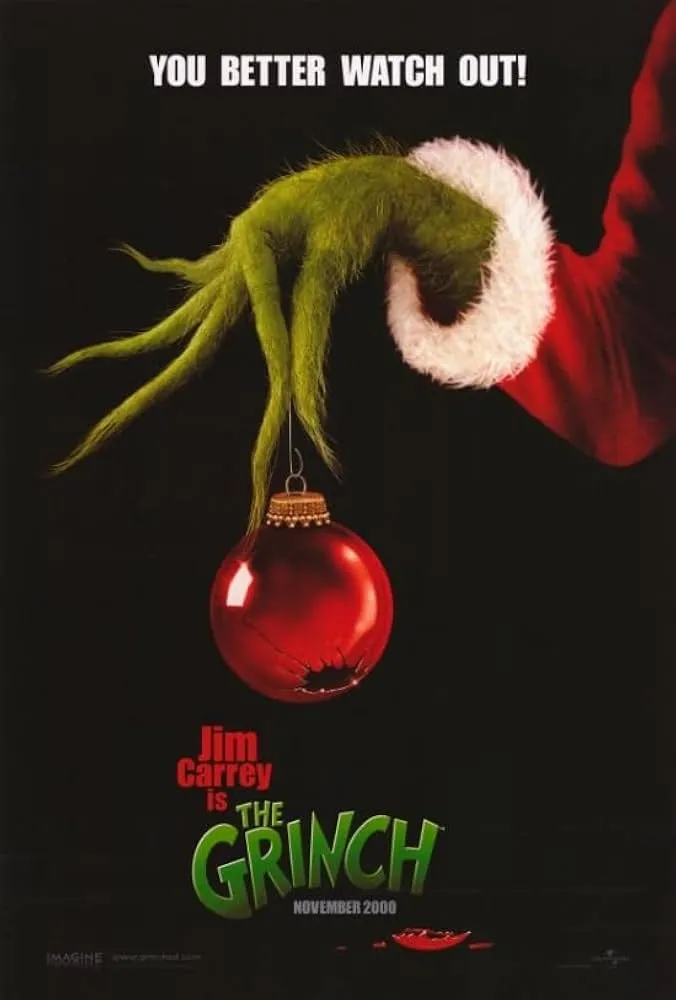
Performance Through Prosthetics
Jim Carrey’s transformation into the Grinch took eight hours a day. The makeup was so restrictive and uncomfortable that Carrey reportedly had to be coached by a CIA specialist on “how to endure torture” just to get through the shoot.
Despite the physical agony, Carrey’s performance is a comedic tour de force. He treats the Grinch like a vaudeville performer, improvising lines that have since become internet memes (“6:30, dinner with myself—I can’t cancel that again!”). As IMDb’s production trivia notes, the film’s Whoville sets were so massive they occupied almost every inch of the Universal Studios backlot.
The Ultimate Holiday Power Rankings (By the Numbers)
| Movie | Global Box Office (Orig.) | IMDb Rating | The “Cry” Factor |
| It’s a Wonderful Life | $3.3M | 8.6 | 10/10 |
| Home Alone | $476.7M | 7.7 | 4/10 |
| Elf | $220.9M | 7.1 | 2/10 |
| Love Actually | $246.8M | 7.6 | 7/10 |
| The Grinch (2000) | $345.8M | 6.3 | 3/10 |
The Soundtrack of the Season: Why the Music Matters
To reach that “deep dive” level of authority, we have to talk about the sound. A Christmas movie is only as good as its bells.
Darlene Love (various): Her voice is the sound of New York at Christmas.
Vince Guaraldi (A Charlie Brown Christmas): Defined the “cool, jazzy” Christmas sound.
John Williams (Home Alone): Used the “Somewhere in My Memory” theme to bridge the gap between childhood wonder and adult nostalgia.