If you were to walk down any street in Manhattan today and see a woman in a wide-brimmed hat, a structured blazer, and a pair of perfectly tailored trousers, you wouldn’t just think “fashionable.” You would think “Keaton.”Here are Oscar-winning Diane Keaton’s Movies and Career Highlights.
As we sit here in early 2026, the dust has finally begun to settle after the emotional outpouring that followed Diane’s passing in October 2025. The tributes from Meryl Streep, Steve Martin, and even the reclusive Woody Allen reminded us of a fundamental truth: Hollywood has many stars, but it only had one Diane Keaton. She didn’t just play characters; she gifted us an entire way of existing—nervous, brilliant, stylish, and unapologetically independent.
Here the Oscar-Winning Diane Keaton Movies
For the classic film lover, Keaton’s filmography is a roadmap of the “New Hollywood” movement of the 70s, the “Yuppie” comedies of the 80s, and the “Coastal Grandmother” renaissance of the 2000s. In this guide, we are going deep. We aren’t just listing the hits; we’re analyzing the craft, the Oscar wins, and the career highlights that turned Diane Hall into the legend we know as Diane Keaton.
1. The Crown Jewel: Annie Hall (1977)
The Achievement: Academy Award for Best Actress (Winner)
You cannot discuss Diane Keaton without starting at the corner of 68th and Central Park West. Annie Hall is not just a movie; it is a cultural demarcation line. It’s the moment when the “Golden Age” sirens were officially replaced by the “New York Neurotic.”
The Performance
In 1977, the Best Actress category was stacked. Diane was up against the likes of Jane Fonda and Anne Bancroft, yet she walked away with the gold because she did something revolutionary: she was natural. As Annie, Diane brought a stuttering, “la-di-da” vulnerability that felt like it was captured by a hidden camera rather than directed.
According to the Academy of Motion Picture Arts and Sciences, this was the year the “Best Picture” went to a comedy that actually felt like real life. Keaton’s chemistry with Allen was the engine, but her solo moments—the nightclub singing scene, the split-screen therapy session—showed a woman who was simultaneously finding herself and losing herself in a relationship.
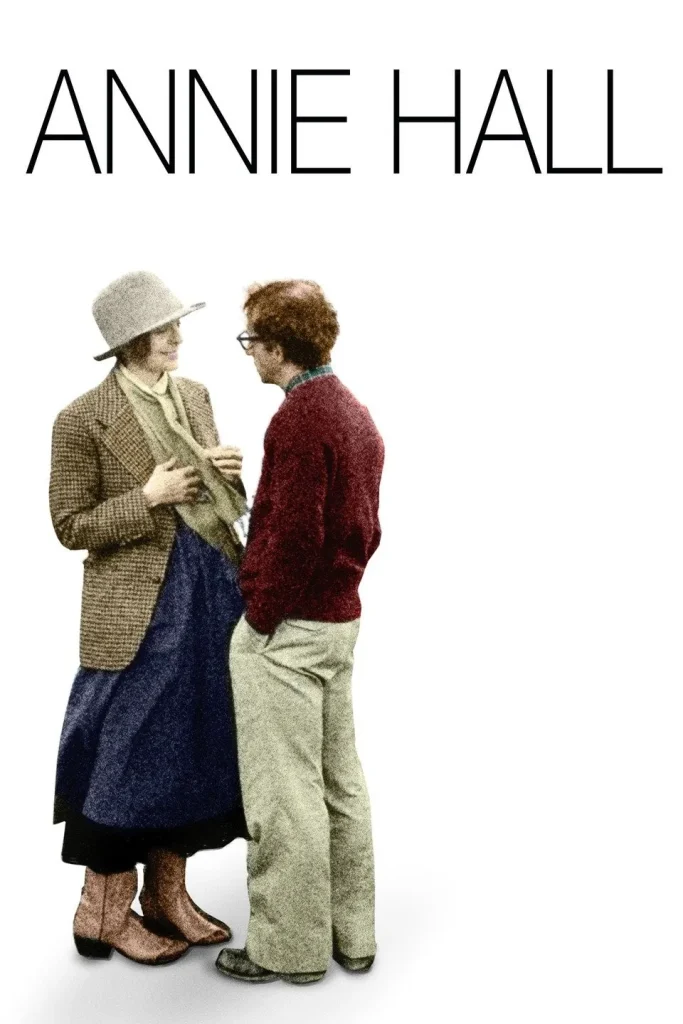
The Style That Shook the World
Let’s talk about the tie. The costume designer on Annie Hall, Ruth Morley, famously hated Diane’s personal style. But Diane insisted on wearing her own clothes—the Ralph Lauren vests, the men’s ties, the baggy khakis. She unknowingly created a look that is still being cited on runways in 2026. For classic film lovers, Annie Hall isn’t just a romance; it’s a fashion documentary.
Legacy Highlight
The film’s ending remains one of the most poignant in history. When Alvy and Annie meet for coffee after their breakup, Diane plays the scene with a warmth that lacks any bitterness. It was a mature, “adult” ending in an era that usually demanded a marriage or a tragedy.
2. The Epic Transformation: Reds (1981)
The Achievement: Academy Award for Best Actress (Nominee)
If Annie Hall proved she was a star, Reds proved she was a titan. Directed by her then-partner Warren Beatty, this three-hour historical epic about the Russian Revolution was a massive gamble.
The Performance as Louise Bryant
Keaton played Louise Bryant, a real-life journalist and feminist who followed John Reed to Moscow. This role required a dramatic weight she hadn’t yet shown the world. She had to transition from a restless socialite in Portland to a woman crossing the frozen wastes of Finland on foot.
The critics at The New York Times noted at the time that Keaton was the “emotional heart” of a very political film. Her Oscar nomination was well-earned; she captured the frustration of a woman who loved a man but refused to be an ornament in his life.
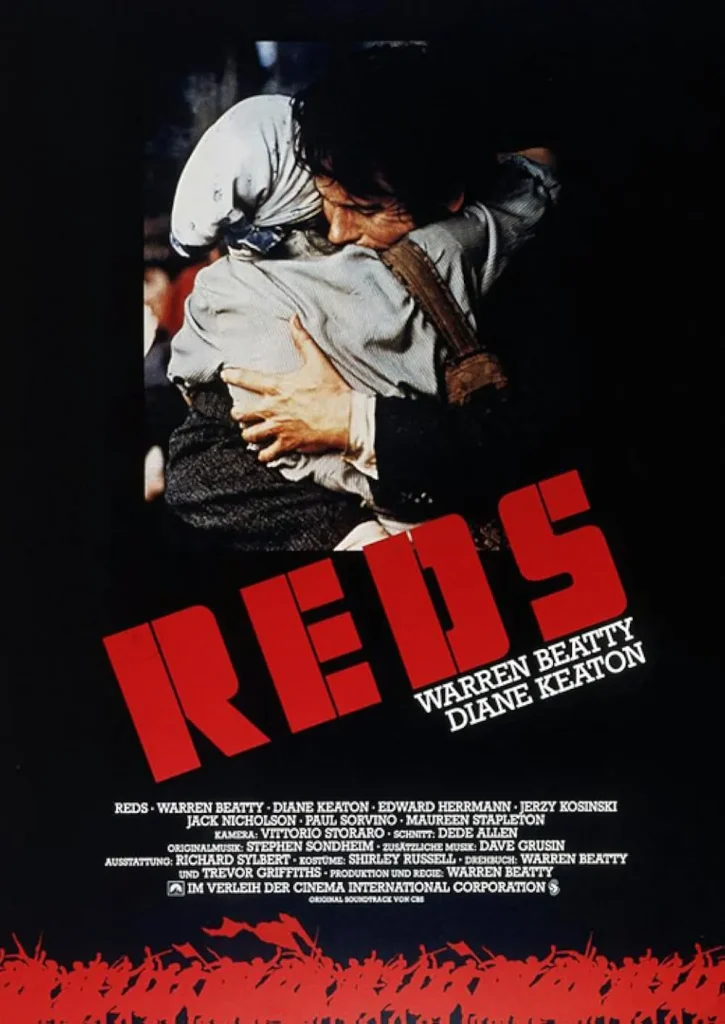
The Beatty-Keaton Dynamic
The chemistry was real because the relationship was real. The filming of Reds was notoriously difficult—Beatty was a perfectionist who would demand 50 takes of a simple scene. Keaton’s exhaustion in the film isn’t always acting; it’s the result of a grueling production that pushed her to her limits.
3. The Moral Compass: The Godfather Trilogy (1972–1990)
The Achievement: Career Highlight / Cultural Icon
While she didn’t win an Oscar for her role as Kay Adams, you cannot talk about her career highlights without the Corleone family. In a world of testosterone, violence, and “omertà,” Diane Keaton was the only person who could look Al Pacino’s Michael Corleone in the eye and call him a monster.
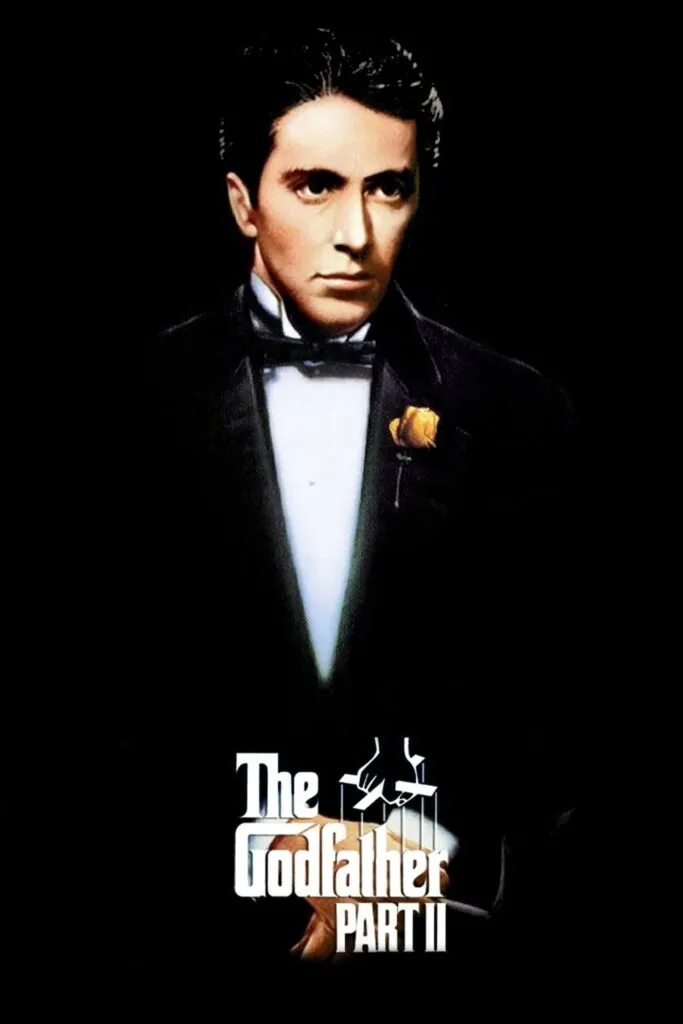
Kay Adams: The Outsider
In the first Godfather, Kay is the “WASPy” outsider in her bright orange coat, a stark contrast to the dark, insular world of the Italian mob. By Part II, she has become the tragic conscience of the story.
The scene where she tells Michael she aborted their son (calling it an “unholy thing”) is one of the most chilling moments in cinema history. Pacino’s Michael might be the power, but Keaton’s Kay is the moral authority. Without her, Michael’s descent into darkness has no one to judge it.
The 2020 Coda
In 2020, Francis Ford Coppola released The Godfather Coda: The Death of Michael Corleone. This new edit of Part III actually gave Keaton’s Kay more breathing room, highlighting how essential her presence was to the saga’s conclusion. It remains a definitive highlight of the Criterion Collection’s analysis of New Hollywood.
4. The Vulnerable Caretaker: Marvin’s Room (1996)
The Achievement: Academy Award for Best Actress (Nominee)
By the mid-90s, many actresses of Diane’s generation were being pushed into “Grandmother” roles. Instead, Diane delivered one of the most heartbreaking dramatic performances of her life in Marvin’s Room.
The Battle of the Titans
The film features Diane as Bessie, a woman who has spent 20 years caring for her bedridden father and aunt, only to discover she has leukemia. Her estranged sister, played by Meryl Streep, returns to see if she can provide a bone marrow match.
Watching Keaton and Streep together is like watching a masterclass. While Streep’s character is loud and rebellious, Keaton’s Bessie is quiet, selfless, and profoundly tired. The scene where Bessie talks about how “lucky” she is because she had so much love in her life—even while she’s the one dying—is a guaranteed tear-jerker.
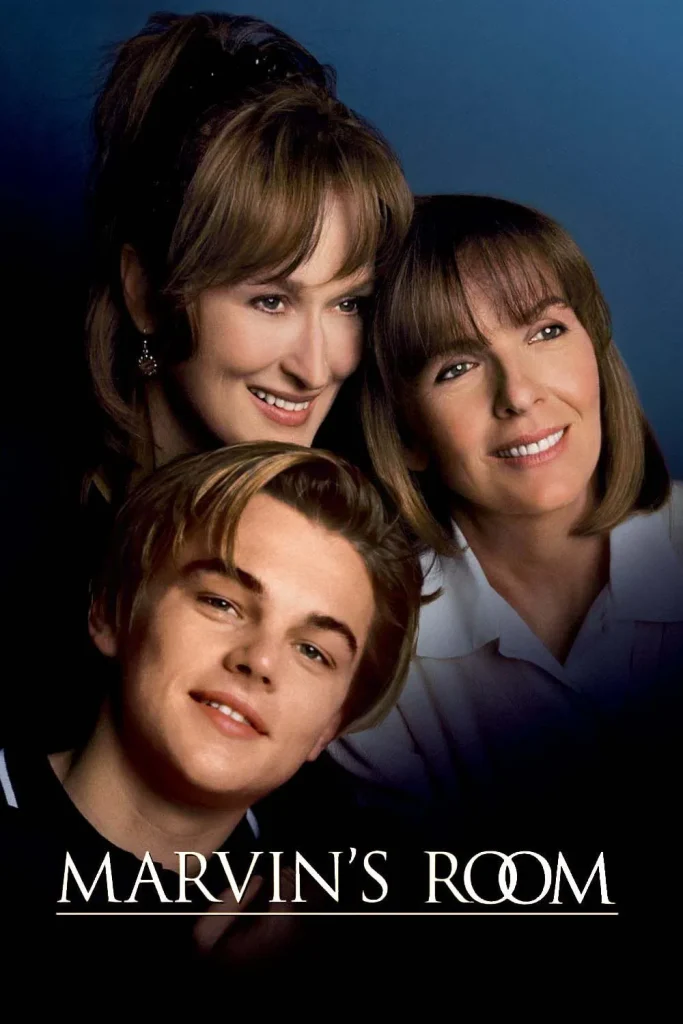
Why It Matters
This nomination proved that Keaton’s “quirk” could be channeled into something deeply somber. It wasn’t about the clothes or the jokes; it was about the soul. Rotten Tomatoes consistently ranks this as one of the best family dramas of the 90s.
5. The Reinvention: Something’s Gotta Give (2003)
The Achievement: Academy Award for Best Actress (Nominee) / Golden Globe Winner
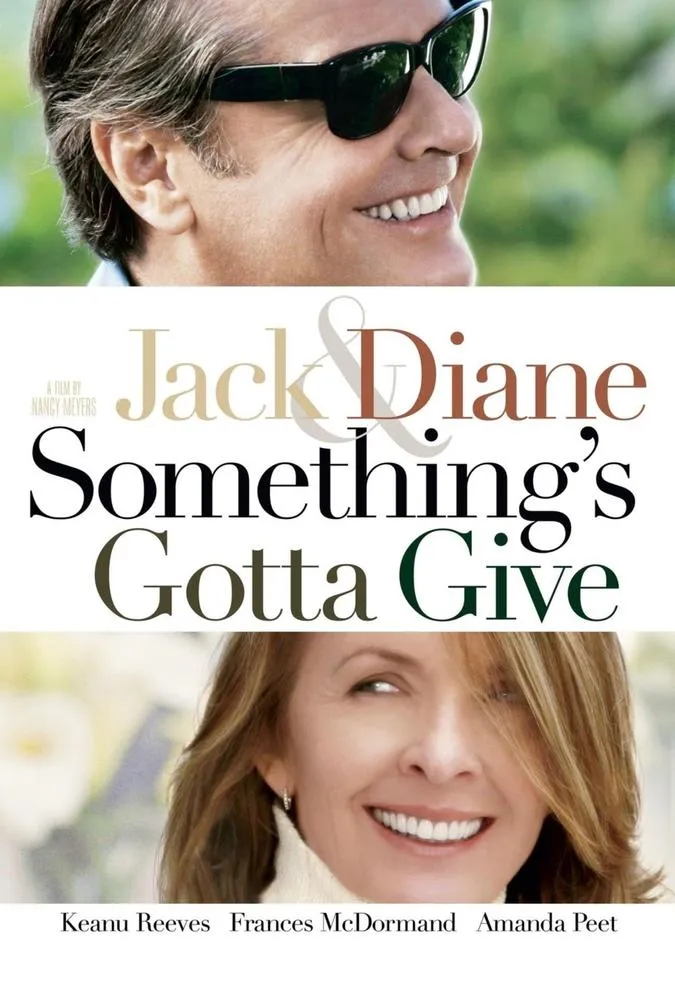
If you want to know why Diane Keaton remained a box-office draw well into her 70s, look no further than Nancy Meyers’ Something’s Gotta Give.
Sexy at 50 (and Beyond)
Keaton played Erica Barry, a successful playwright who finds herself in a love triangle with Jack Nicholson and Keanu Reeves. At 57, Diane did something Hollywood rarely allowed: she was sexy, she was vulnerable, and she was the romantic lead of a major summer blockbuster.
The “crying scene”—where Erica writes her play while wailing uncontrollably—is a legendary piece of comedy. But the real achievement was the film’s frankness about aging and desire. When Keaton took off her clothes in that bedroom scene, it was a political statement as much as an artistic one.
The Legacy of the Turtleneck
This movie cemented her 21st-century aesthetic. The white linens, the Hampton’s beach house, the cream-colored turtlenecks—it created the “Coastal Grandmother” lifestyle that went viral on social media in the early 2020s. Even today, in 2026, designers still cite Erica Barry’s wardrobe as a pinnacle of aspirational living.
Top 15 Diane Keaton Movies Every Classic Film Lover Should Watch: The Ultimate Guide
Intermission: The “Keaton” Acting Style
What makes an “Oscar-winning” performance for Diane Keaton? It’s the restlessness.
Most classic actors are taught to find their “mark” and stay still. Keaton does the opposite. She fiddles with her glasses, she adjusts her sleeves, she stammers, and she looks away. This kinetic energy is what makes her so relatable. We see ourselves in her indecision.
As we continue through her career highlights, we’ll see how she took this “nervous” energy and applied it to every genre—from the slapstick of Manhattan Murder Mystery to the corporate grit of Baby Boom.
6. The Comedy Revolution: From “Tiger Lady” to “First Wife”
By the mid-1980s, the film industry was changing. The gritty, auteur-driven cinema of the 70s was being replaced by high-concept comedies and glossy “yuppie” dramas. Many of Keaton’s peers struggled with this transition, but Diane thrived by leaning into the absurdity of the “working woman” archetype.
Baby Boom (1987)
In Baby Boom, Keaton played J.C. Wiatt, a high-powered Manhattan executive known as the “Tiger Lady.” When she unexpectedly inherits a baby, the film could have easily devolved into a standard “clueless parent” trope. Instead, Keaton turned it into a sharp satire of the “have it all” myth.
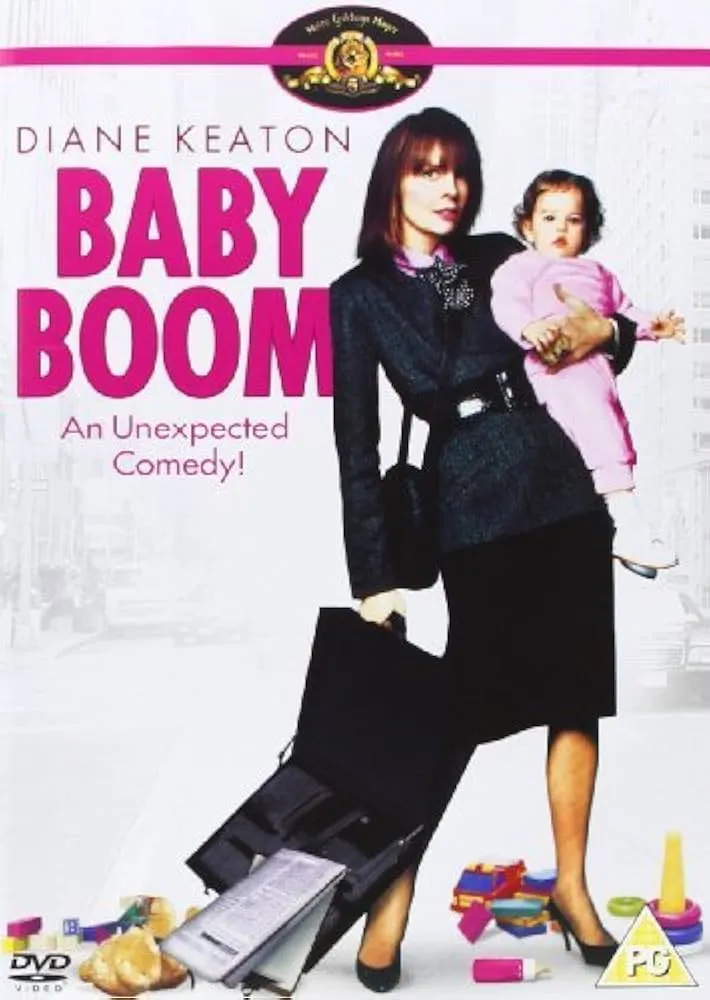
- The Career Highlight: This film solidified Keaton as a solo lead who could carry a comedy without a male superstar counterbalance. Her frantic energy—trying to fold a stroller while negotiating a merger—is legendary.
- Authority Link: The Library of Congress and film historians often cite Baby Boom as a pivotal film in the “working girl” subgenre that dominated the Reagan era.
Father of the Bride (1991)
Then came the 90s, and with it, Diane’s transition into the world’s favorite cinematic mother. Starring opposite Steve Martin, Keaton’s Nina Banks was the calm, stylish eye of the storm.
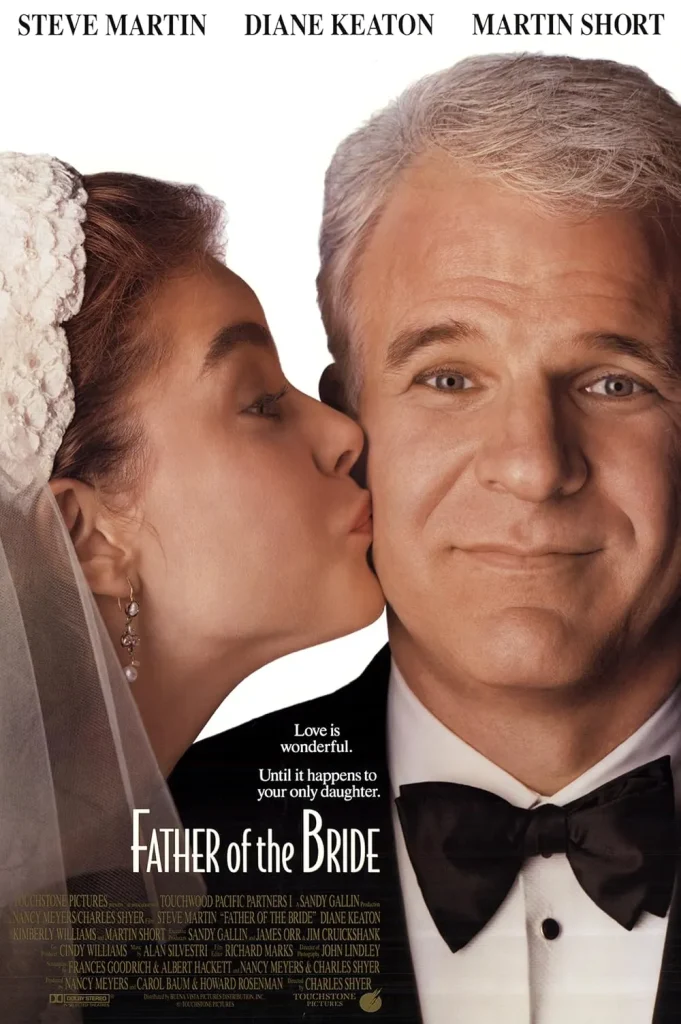
- The Chemistry: Her partnership with Steve Martin is one of the most underrated in Hollywood history. They shared a shorthand that felt like a real marriage. According to a 2024 retrospective in Variety, Martin once said Keaton was the “only person who could make him feel like a grounded adult on screen.”
- The Legacy: This film (and its sequel) created the “Keaton Matriarch” blueprint: elegant, slightly eccentric, and the undisputed heart of the home.
The First Wives Club (1996)
If you want to see the power of Diane Keaton at the box office, look at 1996. The First Wives Club was a phenomenon. Starring alongside Bette Midler and Goldie Hawn, Keaton played Annie Paradis—the “doormat” who finally finds her backbone.
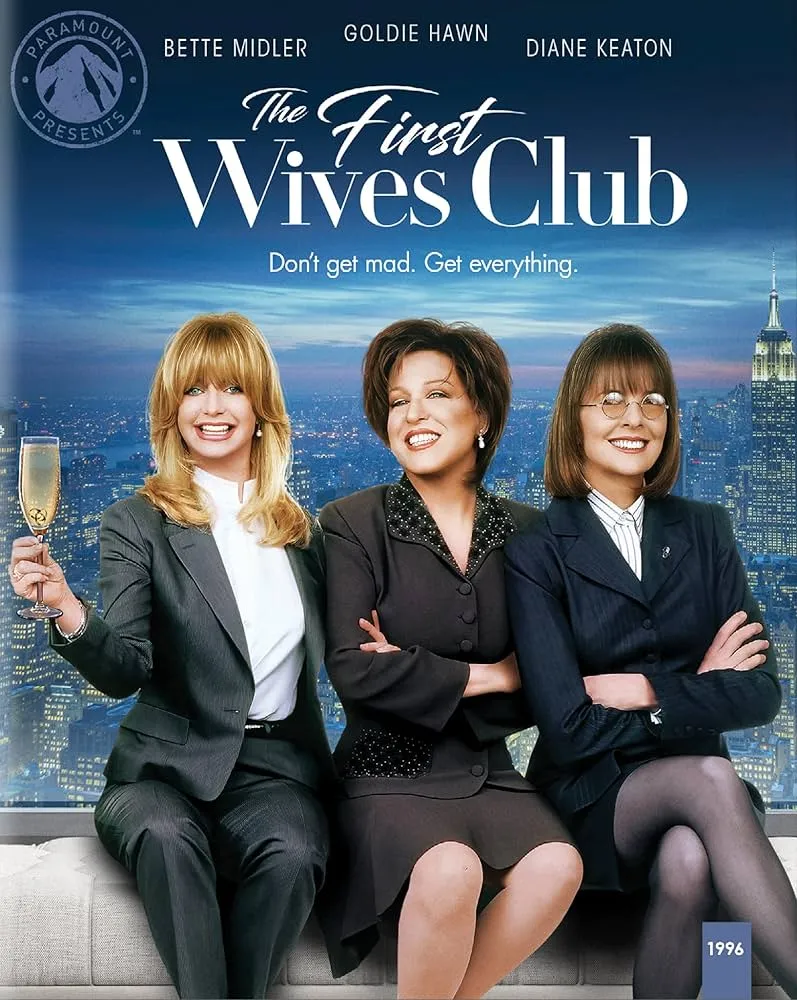
- Cultural Impact: At a time when Hollywood believed women over 40 were “invisible,” this movie raked in over $180 million. It proved that “The First Wife” was a demographic you ignored at your own peril.
- The “You Don’t Own Me” Finale: This remains one of the most shared clips in the history of cinema. It represents the joy of female friendship and the refusal to be defined by a man.
7. The Slapstick Muse: Early Collaborations with Woody Allen
While Annie Hall and Manhattan are the “serious” collaborations, we cannot ignore the sheer comedic genius of their earlier work. Before they were dissecting the neuroses of the Upper East Side, they were making some of the funniest slapstick movies ever put to celluloid.
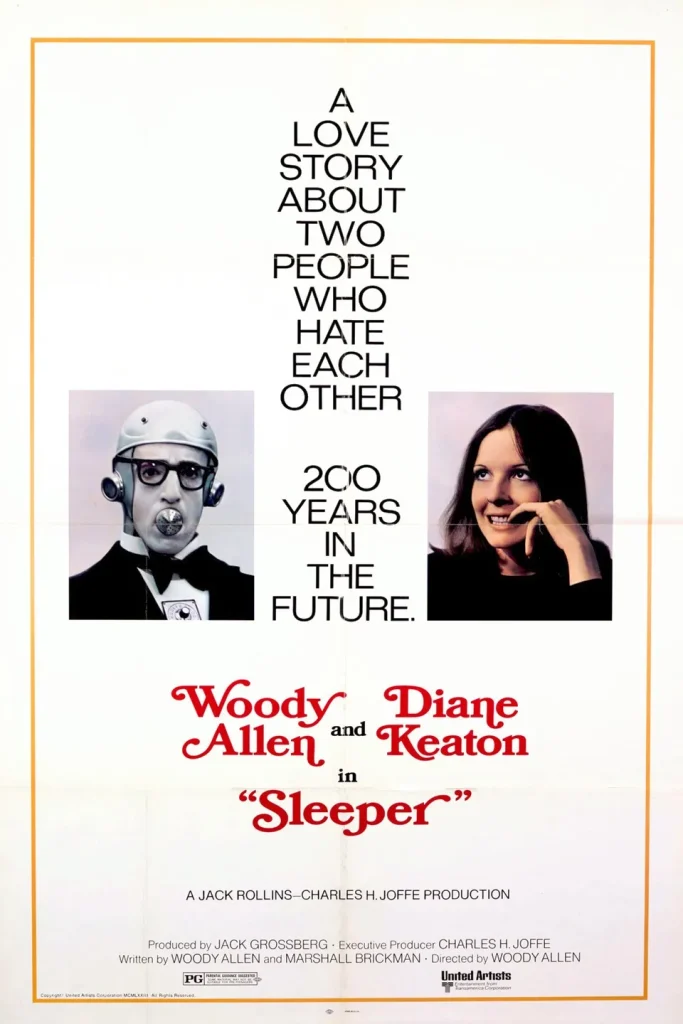
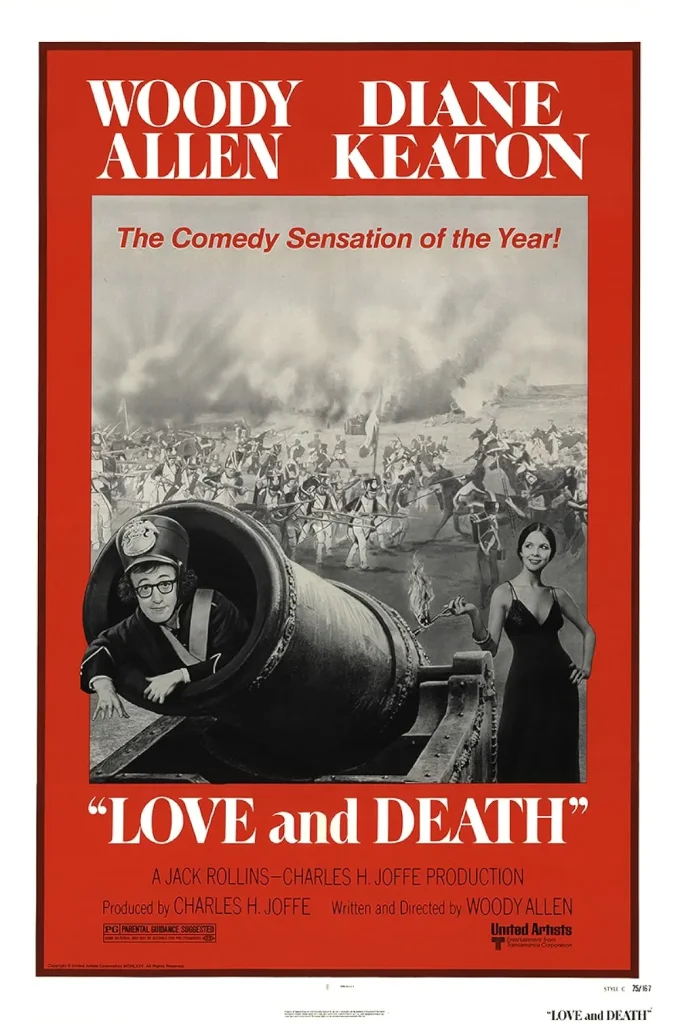
Sleeper (1973) and Love and Death (1975)
In these films, Keaton wasn’t just a love interest; she was a comedic equal. In Sleeper, she plays Luna Schlosser, a socialite in a dystopian future who ends up joining a revolution. Her “Marlon Brando” impression in this film is a career highlight that often gets overlooked by Oscar purists.
In Love and Death, a parody of Russian literature, she and Allen trade philosophical quips while dodging Napoleonic soldiers. These films are essential for any classic film lover because they show the theatrical roots of Keaton’s style. She was trained at the Neighborhood Playhouse, and her ability to handle physical comedy is on par with the greats like Lucille Ball or Buster Keaton (from whom she famously took her stage name).
8. Through the Viewfinder: The Directorial and Photographic Eye
Diane Keaton was never “just” an actress. She was a visual artist who happened to act. This is where her career gets truly interesting for the deep-cut fan. In 2026, we look back at her directorial work and her photography as the secret keys to her acting genius.
Unstrung Heroes (1995)
Her feature film directorial debut, Unstrung Heroes, is a masterpiece of tone. A coming-of-age story about a boy who goes to live with his eccentric uncles, it features the kind of visual “clutter” and quirky composition that Diane loved in her personal life.
- Critical Reception: Roger Ebert gave the film 3.5 stars, praising Keaton’s “unusual combination of sentiment and quirky eccentricity.”
- The “Keaton Eye”: If you look at the framing in this movie, you see her love for architecture and “found objects.” She directed with a photographer’s eye, focusing on the spaces between people as much as the people themselves.
The Photography Books
Diane was a voracious collector of images. Her books, such as Reservations (1980) and Saved: My Picture World (2022), show a fascination with the discarded and the odd. She photographed old hotels, clown paintings, and the “lower-key denizens” of Hollywood. This “cool and deadly eye,” as The Guardian called it, allowed her to bring a sense of reality to even her most glamorous roles.
9. The Independence: Why the Corleone Wedding Never Happened
In the history of “Oscar-Winning Diane Keaton Movies and Career Highlights,” one of the biggest “highlights” is actually something she didn’t do: she never married.
In an industry that often demands women be “half of a power couple,” Keaton remained fiercely independent. Her three great loves—Woody Allen, Warren Beatty, and Al Pacino—were all titans of the industry, yet she never allowed herself to be absorbed into their orbits.
The Pacino Ultimatum
The most famous story is her “ultimatum” to Al Pacino during the filming of The Godfather Part III. She wanted marriage; he didn’t. She walked away. This decision defined her legacy as much as any role. She became a mother through adoption in her 50s, raising her children Dexter and Duke on her own terms.
The Muse Who Stayed a Friend
What is truly remarkable about Keaton is that she remained close friends with nearly all her ex-partners. She was the one who presented Woody Allen with his AFI Life Achievement Award. She remained a confidante to Beatty. This speaks to a level of emotional intelligence and maturity that is rare in the “burn and turn” culture of Hollywood.
10. The 21st Century Renaissance: The “Coastal Grandmother”
We would be remiss if we didn’t mention the final phase of her career, which saw her become a viral sensation for a new generation. Movies like Book Club (2018) and Maybe I Do (2023) might not have won Oscars, but they won something more elusive: endurance.
As we look at the “Keaton Highlights” in 2026, we see a woman who never stopped working, never stopped being curious, and never stopped wearing her own clothes. She proved that a career in Hollywood doesn’t have to be a race against time; it can be a slow, stylish walk toward legacy.
Conclusion: The Enduring Legacy of Diane Keaton
She was a woman who was never “finished.” Even in her final years, she was posting outfit videos on Instagram, collaborating with young designers like Thom Browne, and reminding us that curiosity is the only true fountain of youth. She didn’t just win an Oscar; she won the culture. She taught us that you can be nervous and brave at the same time. You can be a “kook” and a “queen.” And most of all, you can wear a hat and a tie to a formal event and be the most beautiful woman in the room.