There is a specific kind of magic that happens when Diane Keaton walks onto a screen. It’s not just the clothes—though, let’s be honest, the clothes are a character in their own right. It’s the way she occupies space. She’s nervous yet commanding; she’s kooky but grounded in a profound, sometimes startling, reality. For over five decades, Keaton has been the heartbeat of American cinema, moving seamlessly from the grit of New Hollywood gangster epics to the high-gloss warmth of the modern romantic comedy.
Here are the Top 15 Diane Keaton Movies Every Classic Film Lover Should Watch
If you’re a classic film lover, you don’t just “watch” a Diane Keaton movie. You study it. You look for that signature “La-di-da” spirit that she brought to the 1970s, a decade where she effectively reinvented what it meant to be a leading lady. She wasn’t the untouchable siren of the 40s or the polished housewife of the 50s. She was us—if “us” had better hats and a more interesting vocabulary.
In this exhaustive guide, we’re going beyond the surface. We are looking at the 15 films that define her legacy, exploring the trivia that shaped them, and why they remain essential viewing for anyone who calls themselves a cinephile.
The Keaton Mystique: Why She Endures
Before we dive into the list, we have to talk about why Keaton matters. In 2017, the American Film Institute (AFI) awarded her the Life Achievement Award, and the ceremony felt less like a Hollywood gala and more like a family reunion. Everyone from Meryl Streep to Steve Martin showed up to testify to one thing: Diane Keaton is singular.
She is one of the few actresses who successfully navigated the transition from the “director-driven” era of the 70s to the “star-driven” era of the 80s and 90s, and then—improbably—became a box-office powerhouse in her 50s and 60s. She broke the “shelf life” rule that Hollywood usually imposes on women.
The Style as Substance
You cannot discuss Diane Keaton without discussing the “Annie Hall” look. The waistcoats, the wide-leg trousers, the ties—it was a revolution. But for Keaton, style was never just about fashion; it was a suit of armor. In her memoir, Then Again, she speaks candidly about her insecurities and how her clothing allowed her to hide and stand out simultaneously. For a classic film lover, understanding her visual language is key to understanding her performances.
1. Annie Hall (1977)
The Vibe: The birth of the modern romantic comedy.
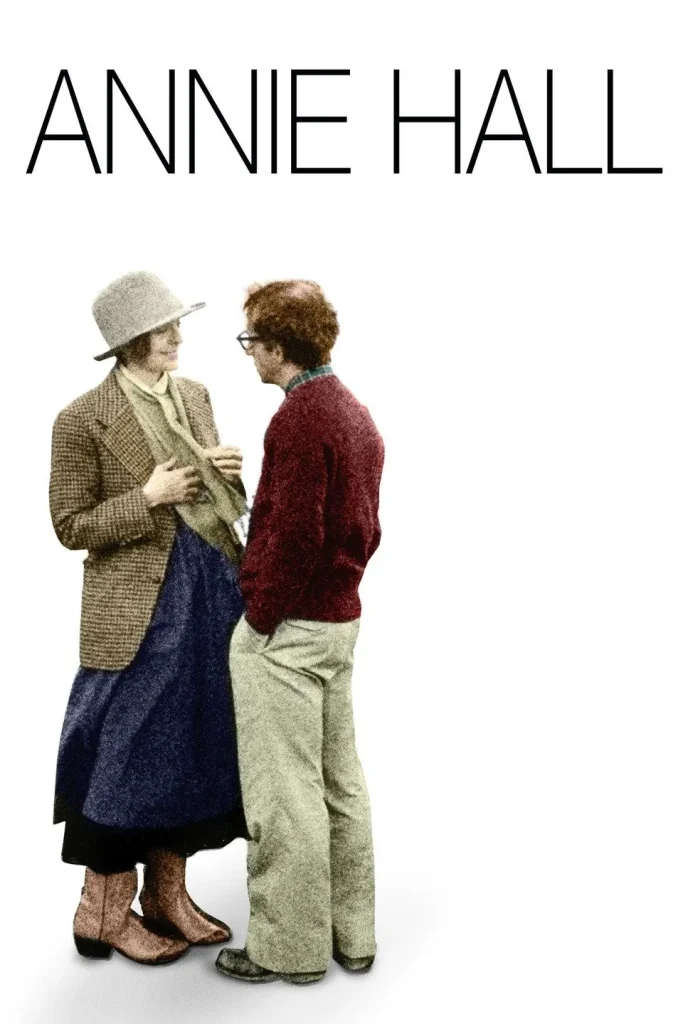
If there is a “Year Zero” for Diane Keaton’s legend, it is 1977. Annie Hall didn’t just win her the Academy Award for Best Actress; it shifted the tectonic plates of the genre. Before Annie, rom-coms were often about external obstacles. After Annie, they were about the messy, neurotic, internal workings of two people who just can’t quite make it work.
The Deep Dive
Keaton plays Annie, a girl from Wisconsin with a “la-di-da” catchphrase and a penchant for photography. The film is loosely based on her real-life relationship with director Woody Allen (born Allen Konigsberg, hence the “Hall” in Annie Hall, which was Diane’s original last name).
What makes this a “classic” isn’t just the humor—it’s the vulnerability. When Annie sings “Seems Like Old Times” in that smoky nightclub, you aren’t watching a movie star; you’re watching a woman finding her voice. It’s a performance of incredible layering. She’s funny, yes, but there’s a melancholy beneath the surface that makes the film’s bittersweet ending feel earned.
Classic Film Trivia
- The Wardrobe: Most of the clothes Annie wears in the film were Keaton’s own. The costume designer actually complained to Woody Allen, saying, “She can’t wear that!” Allen famously replied, “Leave her alone, she’s a genius.”
- The Title: The movie was originally titled Anhedonia (the inability to feel pleasure), but they realized that a movie named after its lead female character would resonate more.
Why it’s essential: It’s the blueprint. Every quirky female lead in the last 40 years owes a debt to Annie Hall. Rotten Tomatoes maintains it as one of the highest-rated comedies of all time for a reason.
2. The Godfather Part II (1974)
The Vibe: The moral conscience in a world of monsters.
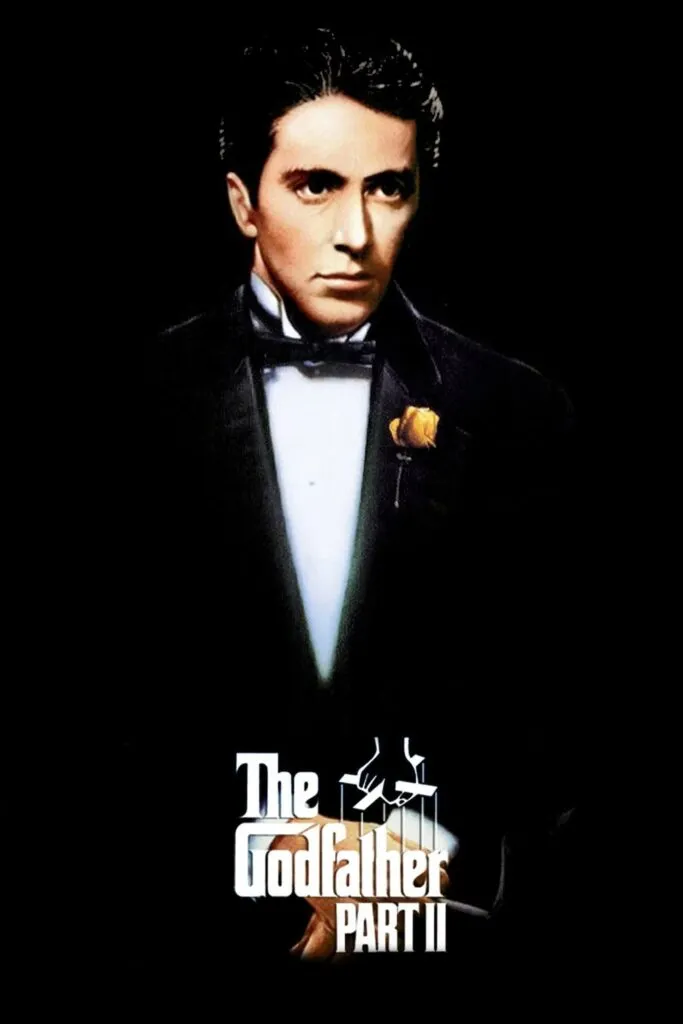
It is easy to forget, given her comedic brilliance, that Diane Keaton’s first major footprint in Hollywood was in the greatest crime saga ever told. As Kay Adams, the “civilian” girlfriend of Michael Corleone, Keaton had the hardest job in the movie: she had to represent the world Michael was leaving behind.
The Deep Dive
In the first film, Kay is the bright-eyed outsider, wearing autumn colors and hats that scream “Ivy League.” She is the hope. By Part II, she is a ghost in her own home. The transformation Keaton undergoes—from the naive girl in the wedding photos to the woman who looks Michael in the eye and tells him the devastating truth about her “miscarriage”—is a masterclass in stillness.
Keaton has often joked that she was the “least likely” person to be in a Coppola film, but her presence is vital. Without Kay, Michael’s descent into darkness has no weight. We need to see what he’s losing, and we see it in the fading light in Keaton’s eyes.
Classic Film Trivia
- The Casting: Keaton was cast partly because Coppola liked her “eccentric” energy, which he felt would contrast well with Al Pacino’s brooding intensity.
- Real Life Romance: Keaton and Pacino began an on-again, off-again relationship during the filming of the trilogy that lasted for years. She famously said she wanted “the whole deal” (marriage), and he didn’t.
Why it’s essential: It proves her dramatic range. If you only know her from comedies, the “door closing” shot at the end of The Godfather will haunt you.
3. Reds (1981)
The Vibe: An epic historical romance with a heart of fire.
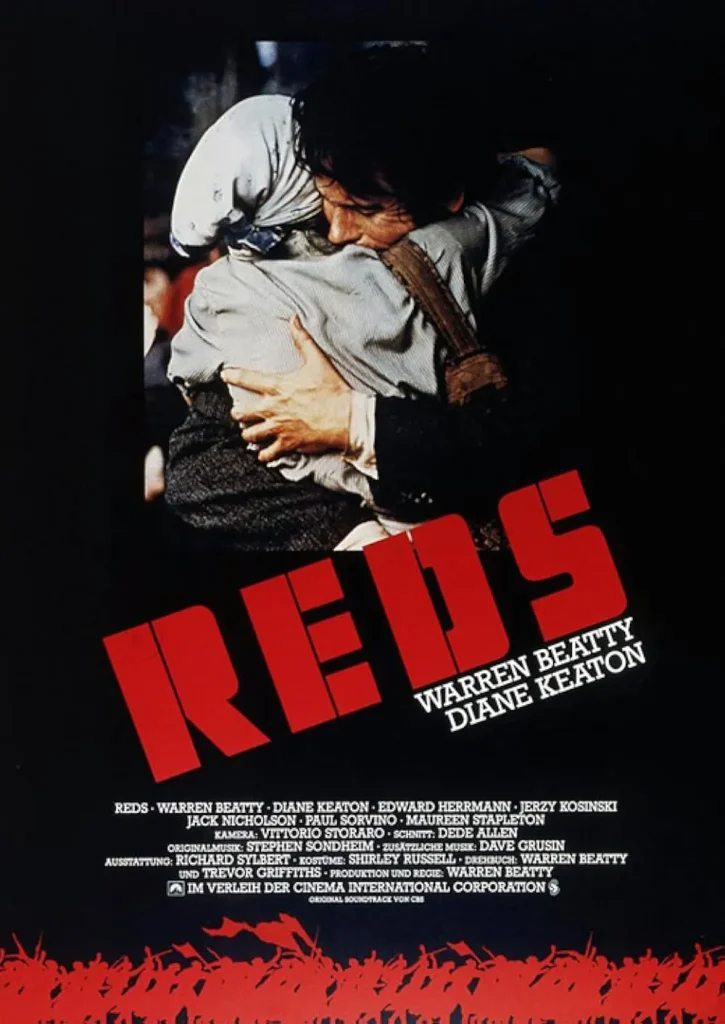
If Annie Hall was her most iconic role, Reds might be her most impressive. Directed by and starring her then-partner Warren Beatty, Reds is a three-hour-plus epic about John Reed and Louise Bryant, the American journalists who witnessed the Russian Revolution.
The Deep Dive
Keaton plays Louise Bryant, and for the first time, she is playing a woman who is explicitly an intellectual and a revolutionary. The chemistry between her and Beatty is electric—likely because they were deeply in love (and frequently arguing) in real life.
The film is unique because it intersperses the fictional drama with real-life interviews with “witnesses” who actually knew the characters. In this high-stakes environment, Keaton holds her own against acting titans like Jack Nicholson. Her performance earned her another Oscar nomination, and it’s easy to see why. She captures the frustration of a woman trying to find her own identity in the shadow of a famous, charismatic man.
Classic Film Trivia
- The Shoot: The production was notoriously difficult, spanning multiple countries and lasting nearly a year. Beatty was a perfectionist, often demanding 30, 40, or 80 takes of a single scene.
- The Research: Keaton spent months reading Bryant’s letters and diaries to capture her specific cadence and “restless” spirit.
Why it’s essential: It’s a sprawling, ambitious piece of “Old Hollywood” filmmaking that we rarely see anymore. It shows Keaton’s ability to anchor a massive, historical narrative.
Top 10 Denzel Washington Movies Every Film Lover Must Watch
4. Looking for Mr. Goodbar (1977)
The Vibe: A dark, gritty, and controversial cautionary tale.
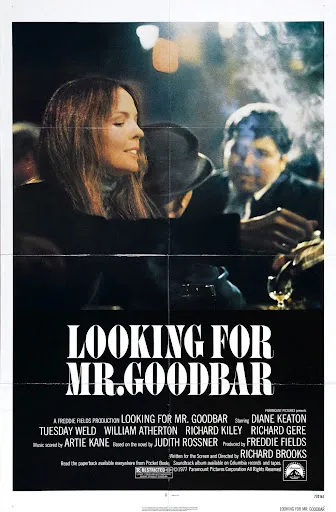
Released the same year as Annie Hall, Looking for Mr. Goodbar is the polar opposite of a “la-di-da” good time. It is a bleak, unsettling exploration of the 70s singles scene, and it remains one of the most provocative films in Keaton’s filmography.
The Deep Dive
Keaton plays Theresa Dunn, a quiet teacher of deaf children by day who cruises bars for dangerous sexual encounters by night. It’s a raw, fearless performance. Keaton strips away the “kooky” persona entirely, replacing it with a desperate, self-destructive hunger.
The film was a massive hit but is difficult to find today due to music licensing issues (though it remains a staple of film history discussions). It’s a time capsule of a very specific, post-sexual-revolution anxiety. The ending is one of the most shocking in cinema history, and Keaton’s face in those final moments is something you won’t forget.
Classic Film Trivia
- The Co-Star: This film features a very young, very dangerous-looking Richard Gere in one of his first major roles.
- The Transformation: Keaton’s father was reportedly very upset by the film’s graphic nature, but Keaton saw it as a necessary step to prove she wasn’t just “the girl in the Woody Allen movies.”
Why it’s essential: It’s the “brave” performance. Every great actor has a movie where they burn their previous image to the ground. This was Keaton’s.
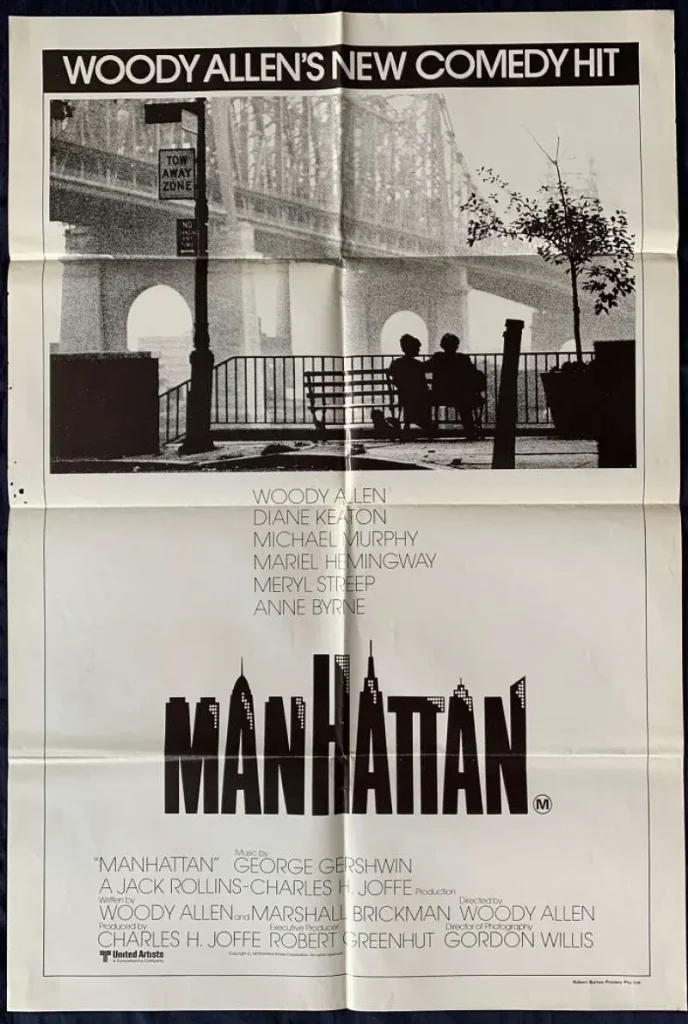
5. Manhattan (1979)
The Vibe: A monochrome love letter to New York City.
While Annie Hall is the more famous collaboration, Manhattan is arguably the more beautiful one. Filmed in stunning black and white and set to the music of George Gershwin, it’s a film that treats the New York skyline like a cathedral.
The Deep Dive
Keaton plays Mary Wilkie, a high-brow, slightly pretentious “intellectual” who enters into a complicated relationship with Woody Allen’s Isaac. Mary is a fascinating character because she’s not particularly “likable” in the traditional sense. She’s critical, she’s defensive, and she’s deeply insecure.
But Keaton makes her human. The scene where they walk through the Planetarium is one of the most visually iconic moments in movie history. Keaton’s Mary is the perfect foil for the city—complex, beautiful, and a little bit exhausting.
Classic Film Trivia
- The Cinematography: Gordon Willis (who also shot The Godfather) used the wide-screen anamorphic format to make New York look like a dreamscape.
- Cultural Legacy: Despite the modern controversies surrounding the film’s plot (specifically Isaac’s relationship with a teenager), Keaton’s performance remains a high-water mark for 70s naturalism.
Why it’s essential: It’s the peak of the “Allen-Keaton” aesthetic. It’s a movie that you don’t just watch; you soak in it.
6. Shoot the Moon (1982)
The Vibe: A raw, uncomfortable, and devastatingly honest look at a marriage in freefall.
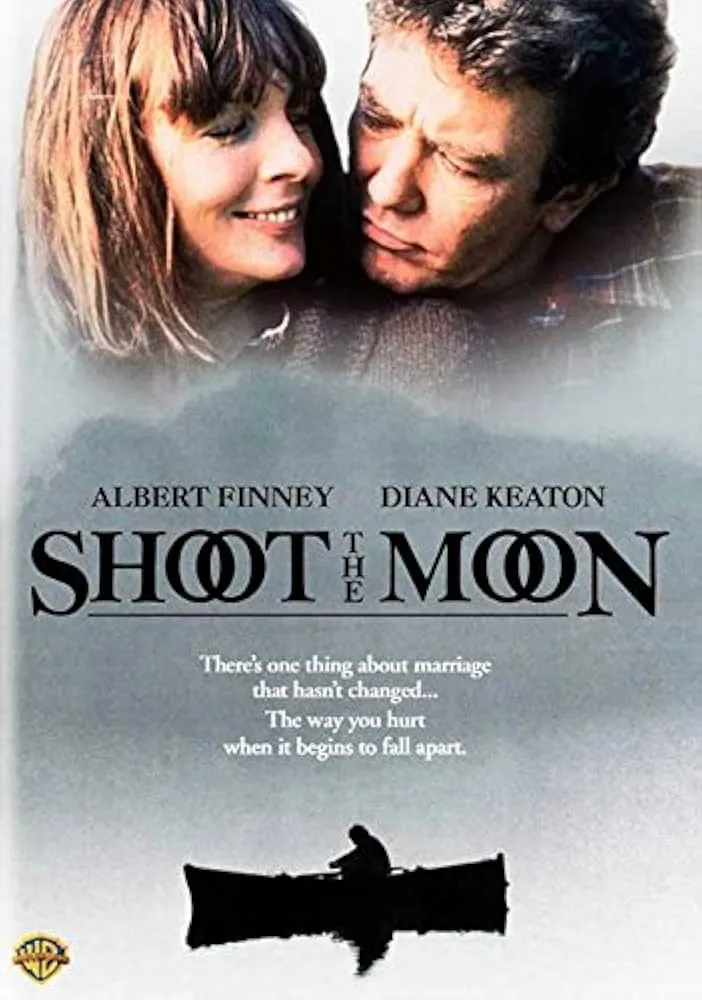
If Annie Hall is the beginning of love, Shoot the Moon is its brutal, messy, and loud conclusion. Directed by Alan Parker, this is perhaps Keaton’s most underrated dramatic performance. It is a film that doesn’t care about being “likable”; it only cares about being true.
The Deep Dive
Keaton plays Faith Dunlap, a mother of four whose husband (played with terrifying intensity by Albert Finney) is having an affair. The film tracks the fallout of their separation, but it avoids the clichés of the “divorce movie.” Instead, it focuses on the jagged edges of shared history.
There is a scene where Keaton is sitting in the bathtub, smoking a cigarette and singing along to the radio, that is arguably one of the most “human” moments ever captured on film. She isn’t acting “sad”; she is inhabiting the specific, hollowed-out exhaustion of a woman whose life has just shifted off its axis. Her chemistry with Finney is explosive—sometimes literally. The famous restaurant scene, where a quiet dinner devolves into a furniture-smashing brawl, is a masterclass in controlled chaos.
Why It’s a Classic
According to The New York Times’ original 1982 review, the film was praised for its refusal to provide easy answers. For classic film lovers, this is essential because it shows the transition of New Hollywood realism into the 1980s. Keaton proved here that she didn’t need a “persona” to carry a film—she just needed the truth.
7. Baby Boom (1987)
The Vibe: The ultimate “Yuppie” fairytale with a heart of gold.
If you want to see Diane Keaton at the absolute peak of her physical comedy and sartorial influence, Baby Boom is the holy grail. This film didn’t just entertain; it defined the “have it all” anxiety of the late 80s.
The Deep Dive
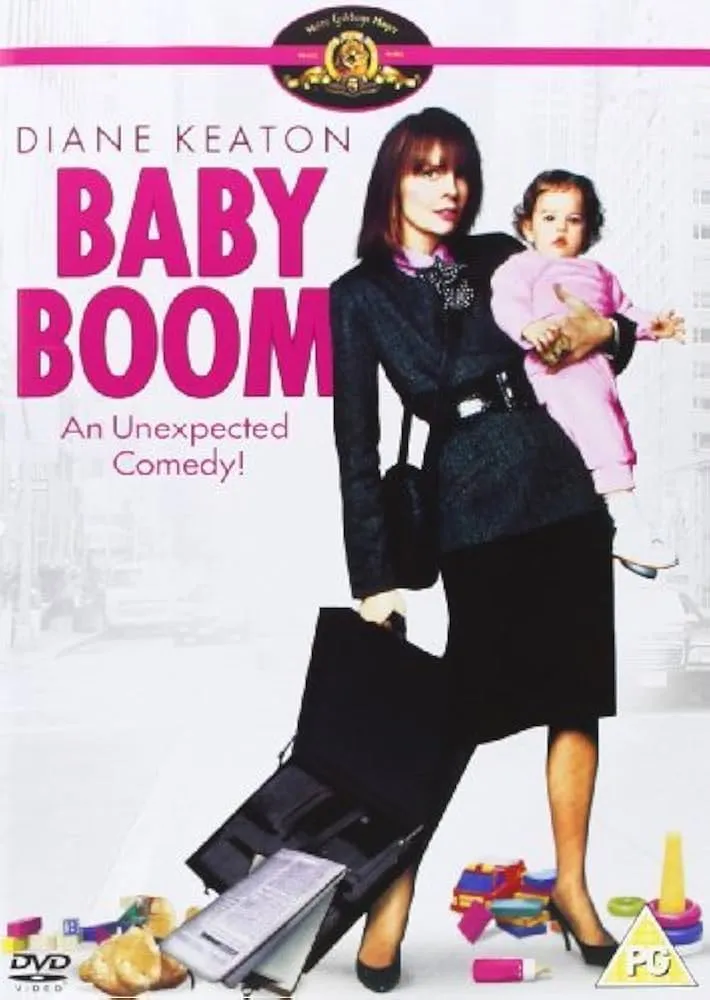
Keaton plays J.C. Wiatt, a “Tiger Lady” management consultant in Manhattan who lives for 80-hour work weeks and power suits. Her life is upended when she “inherits” a baby from a distant relative. The film follows her journey from a cold-hearted corporate shark to a woman making artisanal applesauce in Vermont.
What makes this more than just a “fish-out-of-water” story is Keaton’s frantic, high-wire energy. She plays J.C. with a staccato rhythm—everything is fast, everything is urgent. Watch the scene where she tries to fold a stroller for the first time; it’s a silent movie routine disguised as a modern comedy.
Style Note
The costumes in Baby Boom, designed by the legendary Milena Canonero, are a textbook on 80s power dressing. The oversized blazers, the structured coats, and the way Keaton wears a scarf—it’s all part of the performance. J.C. Wiatt uses her clothes as a boardroom shield, and watching that shield soften as she moves to the country is a visual narrative in itself.
Why it’s essential: It’s a perfect time capsule. It captures the specific intersection of feminism, capitalism, and motherhood that dominated the cultural conversation in 1987.
8. Crimes of the Heart (1986)
The Vibe: Southern Gothic humor with a heavy dose of sisterly bonding.
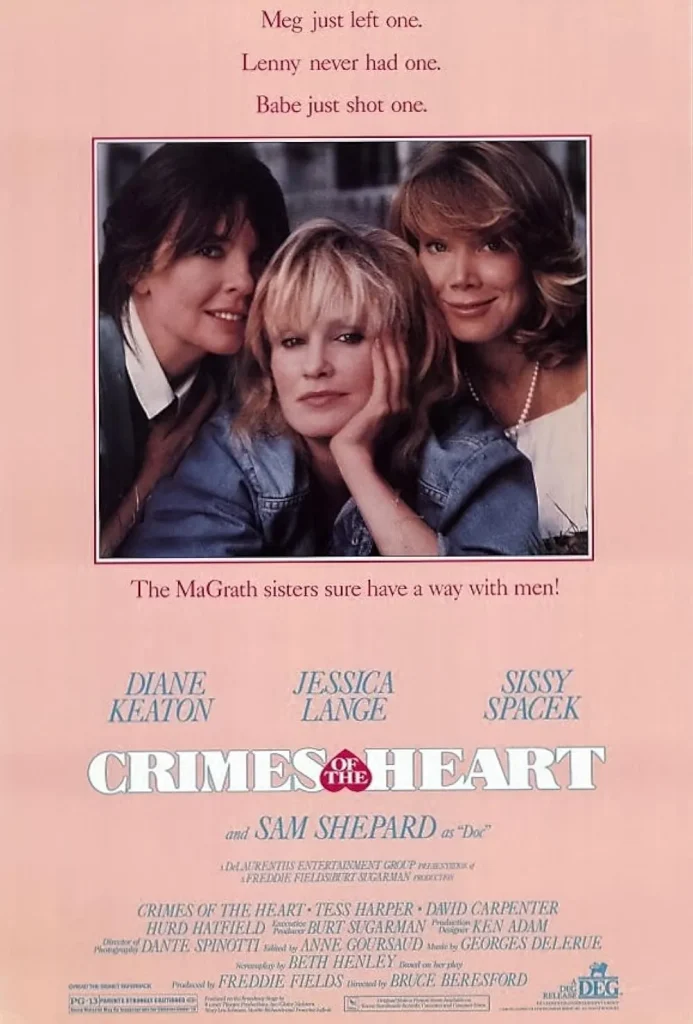
When you put Diane Keaton, Jessica Lange, and Sissy Spacek in a room together, you don’t just get a movie; you get an acting clinic. Based on the Pulitzer Prize-winning play by Beth Henley, this film is a quirky, dark, and deeply felt exploration of the “Magrath sisters.”
The Deep Dive
Keaton plays Lenny, the eldest sister and the “responsible one” who has spent her life caring for their grandfather and mourning her own “shrunken ovary.” It’s a role that requires Keaton to be the “straight man” to Lange’s bombshell persona and Spacek’s erratic, murderous-but-sweet character.
Keaton does something brilliant here: she leans into the “spinster” trope but gives it a quiet dignity. Her Southern accent is surprisingly subtle, and she handles the film’s tonal shifts—moving from a suicide attempt to a fit of hysterical laughter over a birthday cake—with the grace of a tightrope walker.
The “Sisters” Chemistry
The joy of Crimes of the Heart is watching these three titans interact. There is a sense of shared history in their performances that feels completely authentic. Roger Ebert noted in his review that the movie is really about “the way that families can be the source of our greatest pain and our only true refuge.”
Why it’s essential: It’s a rare chance to see Keaton in an ensemble of her peers. It highlights her ability to “play well with others” without losing her unique spark.
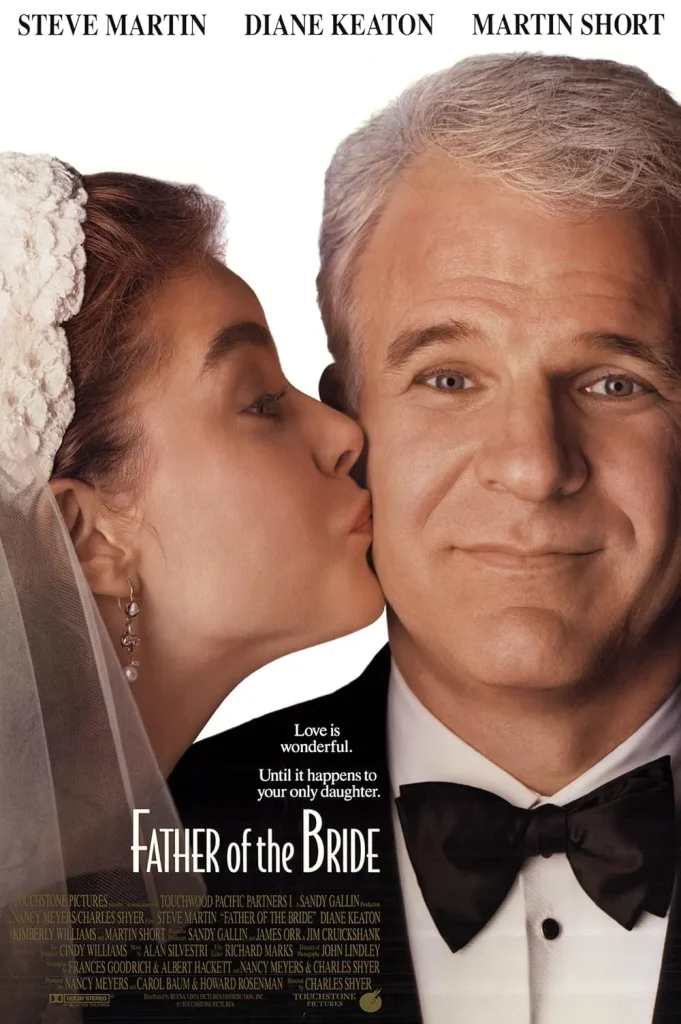
9. Father of the Bride (1991)
The Vibe: Pure, unadulterated cinematic comfort food.
While some critics might dismiss this as “mainstream fluff,” for a classic film lover, Father of the Bride is a masterclass in chemistry and pacing. It also marked the beginning of Keaton’s most commercially successful partnership: the one with Steve Martin.
The Deep Dive
Keaton plays Nina Banks, the calm, grounded center of the Banks family. While Steve Martin’s George is spiraling into a panic about the cost of swans and “tuxedo-fitting” meltdowns, Nina is the one holding the house together.
It’s easy to overlook how much work Keaton is doing here. She provides the emotional stakes. If Nina didn’t love George so much, George would just be an annoying guy complaining about money. But because Keaton looks at him with such genuine warmth and amusement, the audience stays on his side.
Trivia for the Cinephile
- The Remake: This was a remake of the 1950 classic starring Spencer Tracy and Elizabeth Taylor. Keaton had the unenviable task of following in the footsteps of Joan Bennett, but she modernized the role, making Nina a partner rather than just a “supportive wife.”
- The House: The Banks’ house in Pasadena became so iconic that it remains a major tourist destination for film fans to this day.
Why it’s essential: It’s the “Modern Classic.” It’s the movie that solidified Keaton as the “aspirational mom”—chic, kind, and just a little bit cooler than everyone else.
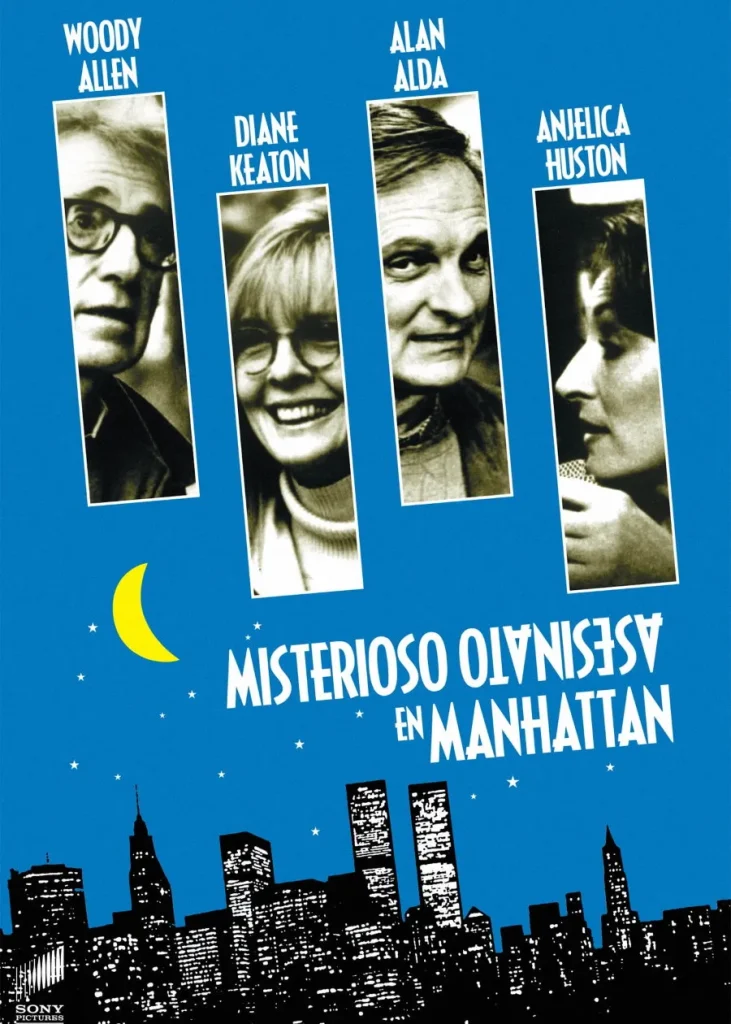
10. Manhattan Murder Mystery (1993)
The Vibe: A delightful, breezy “Nick and Nora Charles” for the 90s.
After years apart, Keaton reunited with Woody Allen for this comedy-thriller, and it felt like the world finally made sense again. Originally, the script was a subplot that was cut from Annie Hall, and you can feel that DNA in every frame.
The Deep Dive
Keaton plays Carol Lipton, a bored Upper East Side housewife who becomes convinced that her neighbor has murdered his wife. While her husband (Allen) wants to stay in and watch the Knicks, Carol wants to break into apartments and play detective.
This is Keaton in “Full Kook” mode, and it is glorious. She is inquisitive, brave, and hilariously neurotic. The film is essentially a love letter to the Thin Man movies and Alfred Hitchcock’s Rear Window, but filtered through the lens of a middle-aged New York marriage. The banter between Keaton and Allen is lightning-fast, reminding everyone that their comedic timing is perhaps the best in the history of the medium.
Why It’s a Classic
It’s a movie about the joy of being a film lover. The characters are constantly referencing old movies, and the climax takes place behind a cinema screen during a showing of Lady from Shanghai. It’s meta, it’s funny, and it features a brilliant supporting turn from Anjelica Huston.
Why it’s essential: It’s the ultimate “reunion” movie. It captures the comfort of an old friendship and the thrill of a good mystery.
Intermission: The 80s Aesthetic and the “Keaton Effect”
Between 1980 and 1993, Diane Keaton did something very few actors managed to do: she became a brand without becoming a caricature. When people spoke of the “Keaton Effect,” they were talking about a specific blend of intellectualism and accessibility.
She was the woman who read The New Yorker but also knew how to cook a Thanksgiving turkey. She was the woman who could hold her own in a boardroom but wasn’t afraid to look ridiculous for a laugh.
The Authority of the “Modern Woman”
During this period, Keaton’s roles often reflected the shifting landscape of American womanhood. In Baby Boom, she tackled the “Mommy Track.” In Shoot the Moon, she tackled the “No-Fault Divorce.” In Crimes of the Heart, she tackled the “Single Woman’s Place in the Family.” For a classic film lover, watching these movies in chronological order is like watching a social history of the late 20th century.
11. The First Wives Club (1996)
The Vibe: High-octane petty revenge fueled by Chardonnay and sisterhood.
If The Godfather proved she could hold her own against the heavyweights, The First Wives Club proved she could lead a comedic ensemble to the top of the box office. Playing Annie Paradis—the most “fragile” of the trio alongside Bette Midler and Goldie Hawn—Keaton is a masterclass in comic timing.
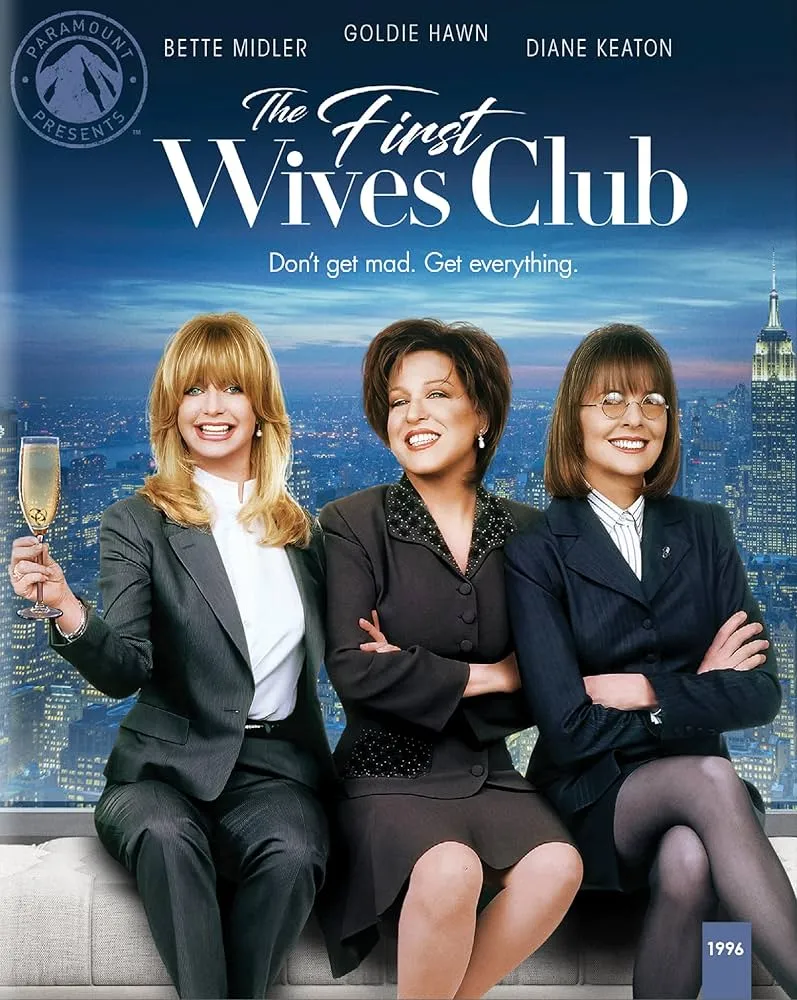
- Why it’s a Classic: It’s rare to see three female leads of a certain age given this much agency and literal stage time. The “You Don’t Own Me” dance sequence at the end is essentially the cinematic equivalent of a warm hug.
- The Keaton Touch: Watch for her physical comedy. Annie’s nervous energy is pure Diane—lots of hand-wringing and stuttered “la-di-das” that make her eventual triumph so much sweeter.
12. Marvin’s Room (1996)
The Vibe: A quiet, devastating, and ultimately beautiful look at the labor of love.
This is the “Acting Olympics.” You have Diane Keaton vs. Meryl Streep. Interestingly, Meryl was originally cast as the selfless Bessie and Diane as the rebellious Lee, but they swapped roles because Meryl felt Diane’s natural “light” would make the dying Bessie more poignant. She was right.
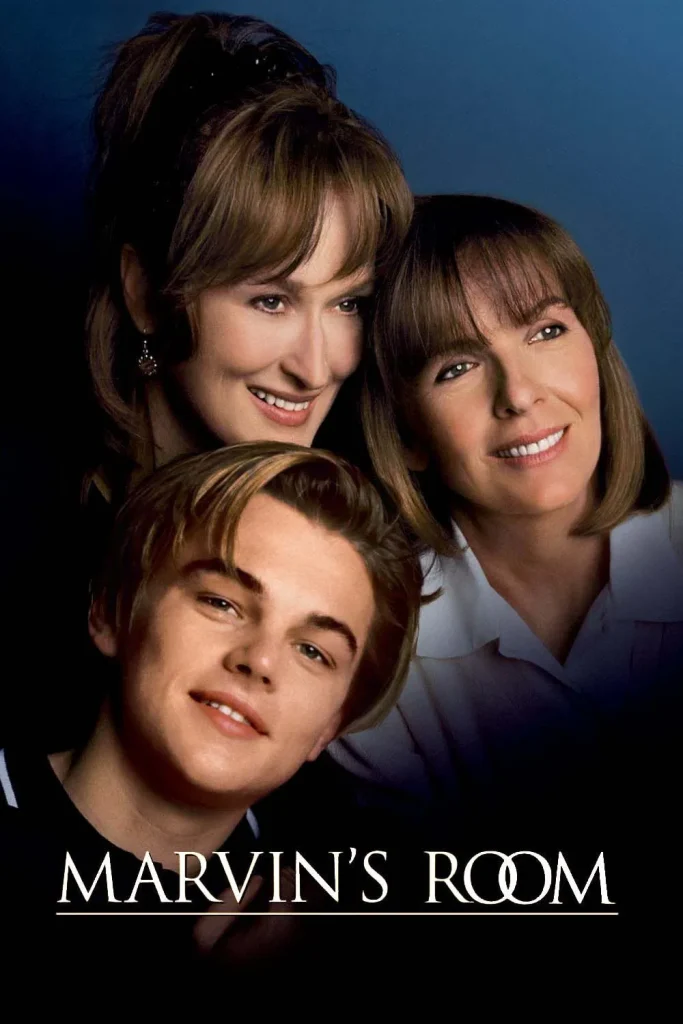
- The Accolade: This earned Diane her third Oscar nomination.
- The Deep Cut: This remains the only time Streep and Keaton shared major screen time. Their chemistry as estranged sisters is so authentic it feels like eavesdropping on a real family crisis.
13. Something’s Gotta Give (2003)
The Vibe: The pinnacle of “Nancy Meyers Chic.”
If you’ve ever walked into a white kitchen and felt a sudden urge to buy a high-neck cashmere sweater, you can thank this movie. Keaton plays Erica Barry, a successful playwright who finds herself in a late-in-life love triangle between Jack Nicholson and Keanu Reeves.
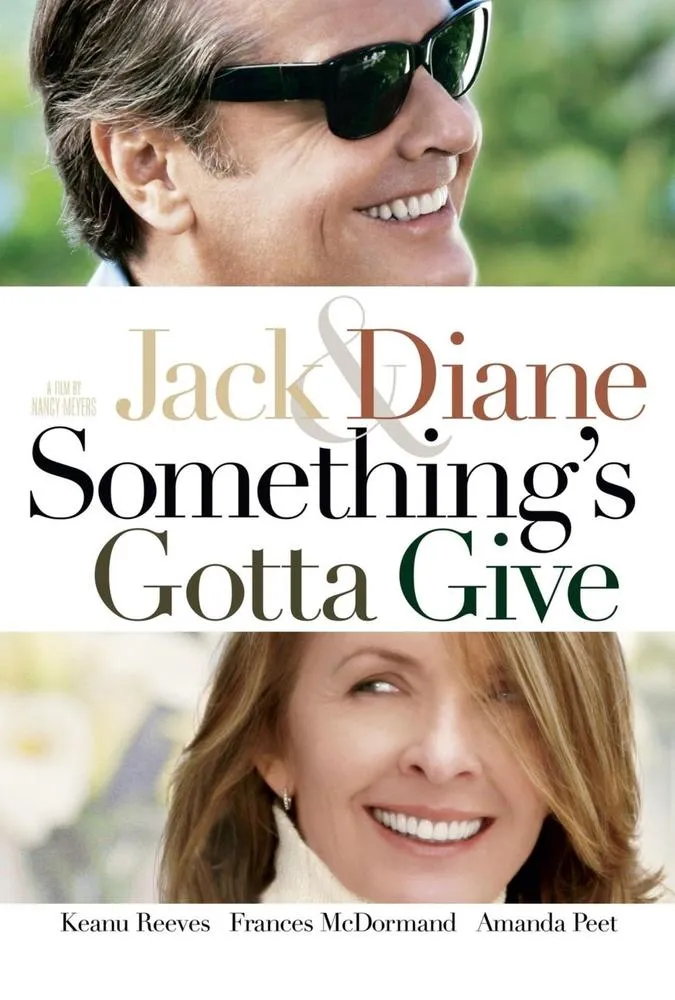
- The Cultural Impact: This film didn’t just revitalize Keaton’s career; it created the “Coastal Grandmother” aesthetic decades before TikTok gave it a name.
- The “Crying” Scene: The sequence where Erica writes her play while sobbing hysterically (and eating ice cream) is perhaps the most relatable depiction of a breakup ever filmed. It’s vulnerable, ridiculous, and utterly human.
14. The Family Stone (2005)
The Vibe: A messy, polarized, heart-wrenching holiday dinner.
As Sybil Stone, the matriarch holding a secret that will change her family forever, Keaton gives what many critics now consider her most soulful performance. With the news of a sequel in development (writer-director Thomas Bezucha recently spoke about how he’s finishing the script as a tribute to her), Sybil has become the definitive cinematic mother of the 21st century.
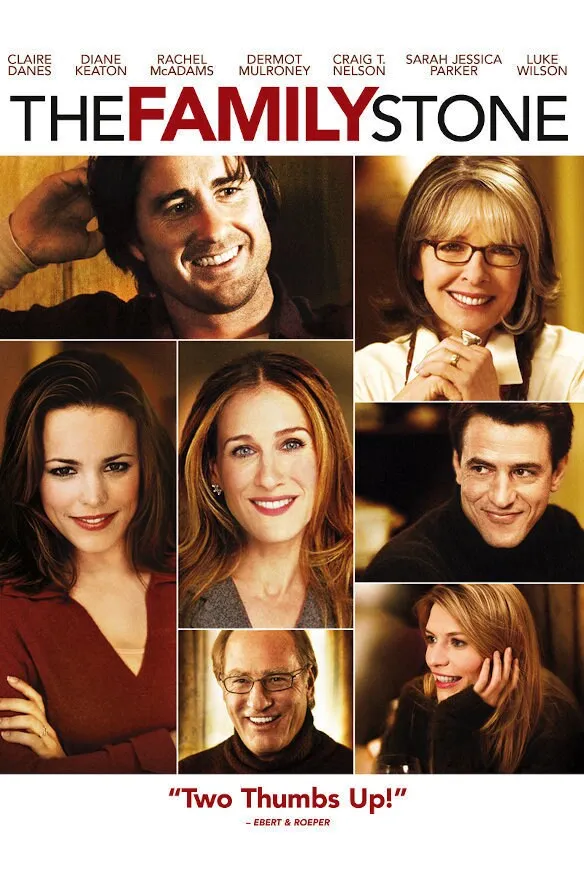
- Why Watch Now: It hits differently today. Sybil’s fierce protection of her children—and her initial coldness toward Sarah Jessica Parker’s “outsider” character—comes from a place of deep, terrifying love.
- Trivia: Diane actually used some of her own jewelry and clothes for the role to make Sybil feel “lived in.”
15. Interiors (1978)
The Vibe: High-brow, Bergmanesque, and hauntingly still.
We’re ending the list by circling back to the ’70s. After the explosive success of Annie Hall, everyone expected Diane to stay in the “kook” lane. Instead, she took a hard left into this somber, dialogue-heavy drama.
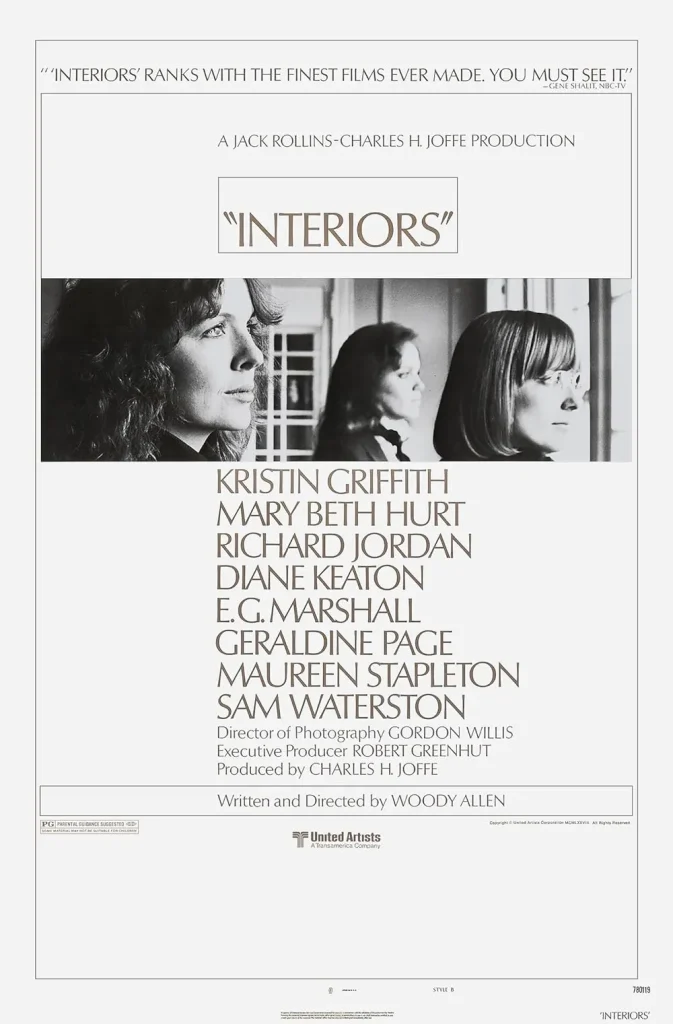
- The Performance: As Renata, a successful poet dealing with her mother’s mental collapse, Keaton is unrecognizable. She is cold, intellectual, and simmering with resentment.
- The Lesson: It’s the ultimate proof of her range. She didn’t need the hats and the “la-di-das” to command the screen; she could do it with a single, icy stare.
The Keaton Legacy: Why She Still Matters
Diane Keaton didn’t just play characters; she curated a way of being. She taught us that you could be neurotic and still be a romantic lead. She taught us that “masculine” tailoring is the height of feminine grace. And most importantly, she showed us that an actress doesn’t have to “fade away” after 40.
Her late-career run—from Baby Boom to Book Club—created a blueprint for aging with curiosity and a sense of humor.
“I think that’s what’s so great about being alive—the fact that we’re all so different and we all have our own little ways of dealing with the world.” — Diane Keaton